Thank you! Your submission has been received!
Oops! Something went wrong while submitting the form.

De Arts in Health Summer School laat deelnemers kennismaken met de rol die kunst en creativiteit kunnen spelen bij gezondheid en welzijn. Tijdens een intensieve week volgen deelnemers lezingen, workshops en praktijkgerichte sessies waarin theorie en praktijk van Arts in Health samenkomen.
"De Summer School brengt mensen met verschillende achtergronden samen om een gezamenlijk begrip te ontwikkelen van wat Arts in Health is en hoe het in de praktijk werkt," zegt Ferdinand Lewis, directeur onderwijs van Arts in Health Groningen. "Deelnemers verlaten de Summer School als een leergemeenschap, klaar om hun eigen bijdrage aan het veld te verkennen."
De Summer School is bedoeld voor deelnemers uit verschillende vakgebieden en op verschillende momenten in hun loopbaan. Studenten, professionals en zij-instromers met een mbo-, hbo- of universitaire achtergrond zijn allemaal welkom. Volgens Lewis vraagt een duurzame plek voor kunst binnen zorg en welzijn om professionals die kunnen samenwerken over de grenzen van sectoren, disciplines en beroepen heen.
Tijdens de Summer School maken deelnemers kennis met wetenschappelijk onderzoek naar de rol van kunst bij preventie, herstel en een gezonde leefstijl. Tegelijkertijd ervaren zij hoe Arts in Health er in de praktijk uitziet. In workshops werken zij samen met kunstenaars en professionals uit het veld. Door deze praktijkervaring te combineren met theorie en gezamenlijke reflectie ontstaat een beter begrip van Arts in Health en de mogelijkheden ervan.
Een deelnemer aan de Summer School van 2025 vertelde: "Voor mij ging het vooral om ontdekken wat er allemaal gebeurt binnen het Arts in Health-veld." Een andere deelnemer gaf aan dat de Summer School hielp om richting te geven aan haar eigen werk en toekomstige projecten.
De workshops worden verzorgd door Arts in Health-professionals van onder andere Switch2Move, Cordaan, CliniClowns, de opleiding Vaktherapie van NHL Stenden, MuzIC en het Groninger Museum. De lezingen worden verzorgd door onderzoekers van het Universitair Medisch Centrum Groningen, de master Geestelijke Verzorging van de Rijksuniversiteit Groningen en de Vrije Universiteit Amsterdam.
Na afronding van de Summer School ontvangen deelnemers een officieel 'digitaal certificaat' van de Rijksuniversiteit Groningen dat zij kunnen toevoegen aan hun cv of online profiel. Daarnaast kunnen zij deelnemen aan de Arts in Health Learning Community, een netwerk voor oud-deelnemers dat vier keer per jaar bijeenkomt om kennis te delen, actuele ontwikkelingen te bespreken en het Arts in Health-netwerk in Nederland en Europa verder te versterken.
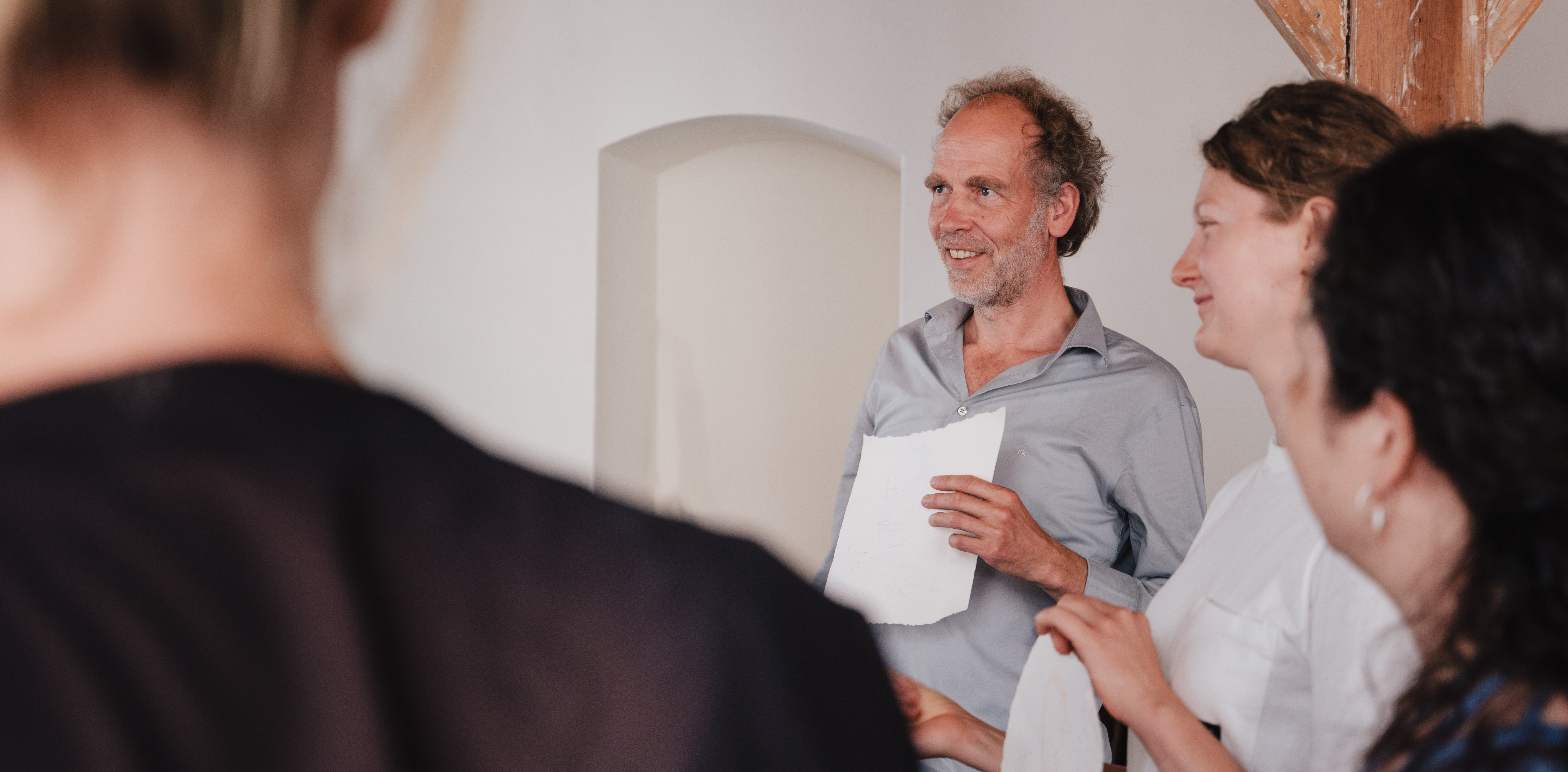
De eerste editie van de Arts in Health Summer School vond plaats in juni 2023. Voor deze pilot waren vijftien plaatsen beschikbaar, die binnen korte tijd waren gevuld.
In 2024 ontving de Summer School ondersteuning van de Rijksuniversiteit Groningen en werd het programma officieel opgenomen in het aanbod van de universitaire Summer Schools.
Jaarlijks is er plaats voor maximaal 25 deelnemers. De belangstelling is groot en het aantal aanmeldingen ligt meestal ruim boven het aantal beschikbare plaatsen. Deelnemers zijn onder meer kunstenaars, artsen, verpleegkundigen, sociaal werkers, onderzoekers, docenten, cultuurprofessionals, programmamakers, studenten, bestuurders en beleidsmakers.
"Het Arts in Health-veld heeft behoefte aan mensen met verschillende achtergronden die met elkaar willen leren en samenwerken," zegt Lewis. "De Summer School is opgezet om die ontmoetingen mogelijk te maken."
De Arts in Health Summer School wordt georganiseerd in samenwerking met de Aletta Jacobs School of Public Health, University College Groningen, de Faculteit Religie, Cultuur en Maatschappij van de Rijksuniversiteit Groningen en de Vrije Universiteit Amsterdam.
Lees meer over de Arts in Health Summer School en hoe je je kunt aanmelden.
To gain insight into how arts in health can support the healthcare transition in the Netherlands, it can be useful to see how similar initiatives have been proposed, and implemented in other countries. All the countries discussed here recognise that transformation is needed in healthcare systems. They all argue for the support that the arts can offer.
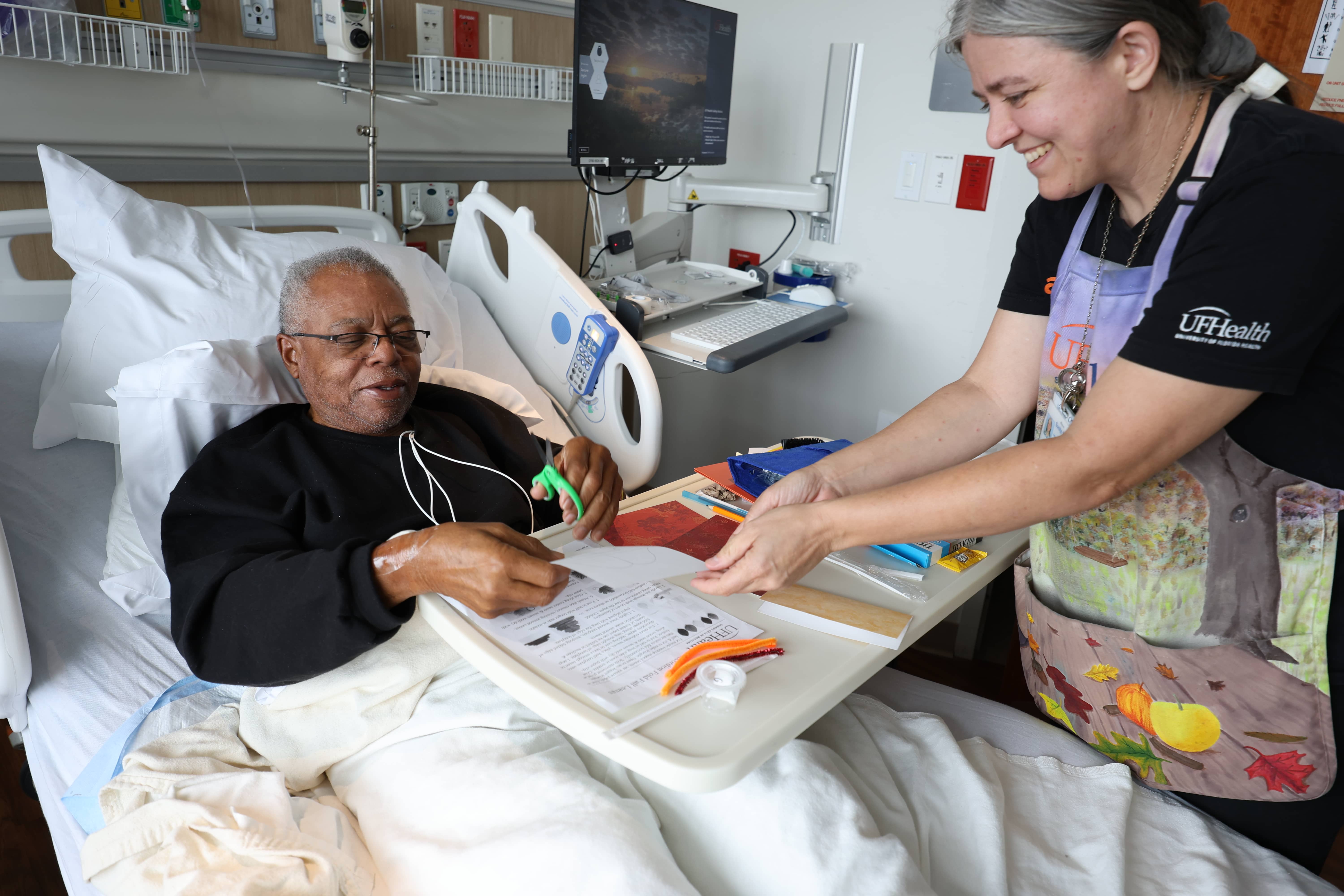
The modern field of arts in health had its start more or less in the United Kingdom in the 1960’s. Initially driven by countercultural social movements, it took some time to gain a place in mainstream institutions and policy. It is only in the last couple of decades that the field really blossomed.
A number of important projects were developed in the UK between 2004 and 2007. For example, a project called Invest to Save; Arts in Health had the goal to “develop the capacity of the North West Region’s arts and health communities, and research the impact of creativity, culture and the arts on health and economic outcomes” (Parkinson, 2009, p.43). Amongst other things, this project involved visual arts and creative writing activities for older people in rehabilitation.
Around the same time, the Arts Council England and the Department of Health published a report on the prospectus of arts and health. Although this report did not initially receive a great deal of notice, over time the cultural change it recognised began to emerge.
The Arts Council has continued its work on Creative Health and Wellbeing. In recent years the London Arts in Health movement has found some success hosting an annual Creativity and Wellbeing Week, which has seen tens of thousands of active participants. This celebration of the field includes talks, film screenings and workshops. Because that event is attended by people with a variety of backgrounds, it also encourages the intersectoral collaboration that is integral to arts in health programmes.
The arts in health field has seen some developments in other regions of the UK. The Arts Council of Wales, for example, has partnered with the Welsh NHS confederation to raise awareness of the how the arts support wellbeing. The partnership set out to “embed arts and health initiatives across the NHS in Wales”.
In 2019 the WHO commissioned a report in which they scoped over 3500 articles about the role of the arts in supporting health and wellbeing. Since then, the WHO has begun issuing policy materials and strategies for the use of arts in health for use by the member states. Importantly, these emphasise intersectoral decision-making and planning, for example between the cultural and culture sectors.
In 2023, the WHO launched the Jameel Arts & Health Lab, to encourage research and disseminate findings on arts in health. The Lab also organises events that celebrate, and advocate for, the introduction of national and regional arts in health initiatives around the world.
A report by European Commission recognises the societal value of the arts and culture for wellbeing. Policy recommendations and briefs have been issued which argue for the positive impact of the arts on wellbeing, recommending that member states implement policies to promote “long-term collaboration and mutual learning partnerships between cultural practitioners, healthcare professionals, and community organisations”. The Commission-funded organisation Culture for Health commissions research and publishes reports on culture for health, including strategic recommendations for facilitating intersectoral dialogue and action.
Other countries in Europe are introducing arts in health plans and programmes. The arts in health field has gained a strong foothold in Ireland, for instance: The Irish ‘Healthy Ireland Strategic Action Plan’ for 2021-2025 includes a commitment for local authorities to plan long-term cultural and arts involvement in promoting wellbeing.
As early as 2004, the Irish Arts Council wrote a practical handbook for setting up projects and networking for arts in health, and that handbook is still useful today. It outlines a step by step approach to developing an arts in health project, from initial ideas to project implementation.
Other EU countries working on arts and health projects and policy include Bulgaria, France, Luxembourg and Portugal. Scandinavian countries are particularly active in integrating arts in health into social systems. Finland, for instance, has a “coordinated national effort to publish local cultural wellbeing plans” and a Masters degree is offered in Creativity and Arts in Social and Health Fields. Denmark and Sweden are part of a pilot by the Interreg Baltic Sea Region, to experiment with ‘arts on prescription’, and the Nordic School of Arts and Health also runs many projects.
New Zealand’s national network for creative wellbeing, ‘Te Ora Auaha’ (Creative Wellbeing Alliance), was established in 2019 to help ensure access to arts and culture. New Zealand is also investigating arts on prescription as a way to support arts in health. Australia’s ministries of health and culture have since 2014 committed to improving the health and wellbeing of all Australians by formally recognising the role of the arts in supporting wellbeing. They have an active Arts and Health Network too, with regular meetings and several events.
Canada and the United States have active arts in health programmes and are creating national support networks, along with efforts to focus research and policy for the field.
Canada, like other countries including the UK and Finland, for example, is home to an arts in health-focused research group and offers degree programmes. Efforts to integrate research-based arts in health strategies into public policy are underway in the United States. Organisations like the National Endowment for the Arts and Americans for the Arts are now actively supporting arts in health projects. Several national projects are currently running, however funding for projects is usually not structural.
This brief introduction to arts in health in other countries is not exhaustive, but merely offers a glimpse into some of the strategies, structures, and experiences in other countries, in the hope that they will be of use to Dutch arts in health advocates. Overall, support for arts in health is increasing in many countries and major institutions.
For arts and health movements to become sustainable anywhere, local and national governments must systematically collaborate across sectors and with arts and health professionals.
The level at which strategies and projects are integrated into institutions varies widely. Furthermore, the structural funding for arts in health is not correlated with the wealth of particular countries: While the Greek ministries of Culture and Sports, and of Health, have both signed a memorandum which includes plans for intersectoral collaboration and the implementation of arts in health policies, the United States and Canada struggle to implement national, intersectoral, structural funding for arts in health.
Nor does a long tradition of arts in health funding guarantee ongoing structural support. Although the modern arts in health field largely developed in the UK, changes to healthcare funding in recent years has seriously impacted the field there.
Arts in Health krijgt pas echt een plek als het erkend wordt, betaald wordt en onderdeel wordt van de zorgpraktijk. Dat roept vragen op, zoals:
In Nederland werken ZonMw, het Fonds voor Cultuurparticipatie en programma’s zoals Welzijn op Recept aan de verdere ontwikkeling van Arts in Health. Gemeente Tilburg ondersteunt actief de samenwerking tussen kunstenaars en zorgorganisaties. Provinciale kunstorganisaties verkennen hoe Arts in Health kan bijdragen aan gezondheid en ziektepreventie. Ook op Europees niveau groeit de aandacht. De Europese Commissie ziet Arts in Health als onderdeel van de toekomstige zorg.
Werk je aan beleid binnen zorg, cultuur of welzijn? Dan kun je bijdragen door verbindingen te leggen en ruimte te maken voor samenwerking. Arts in Health vraagt niet om een nieuw systeem. Het vraagt om een plek binnen hoe de zorg zich nu ontwikkelt.
Wil je bijdragen aan de ontwikkeling van Arts in Health in Nederland? Binnenkort kun je je aansluiten bij de alliantie. Schrijf je in voor de nieuwsbrief om op de hoogte te blijven.
Arts in Health ontstaat in de praktijk, maar de keuzes daaromheen bepalen of initiatieven kunnen doorgroeien. Veel projecten laten zien wat kunst kan betekenen voor gezondheid, welzijn en kwaliteit van leven. Tegelijk blijft structurele inbedding vaak lastig, doordat financiering, samenwerking en verantwoordelijkheden versnipperd zijn.
Het rapport Kunst in zorg – wegen naar verankering onderzoekt waar binnen bestaande wet- en regelgeving ruimte zit om Arts in Health duurzamer te organiseren. Van gemeenten en zorgverzekeraars tot welzijn en langdurige zorg: er blijkt vaak meer mogelijk dan gedacht. Ook maakt het rapport zichtbaar waar samenwerking tussen zorg, cultuur en beleid in de praktijk nog vastloopt.
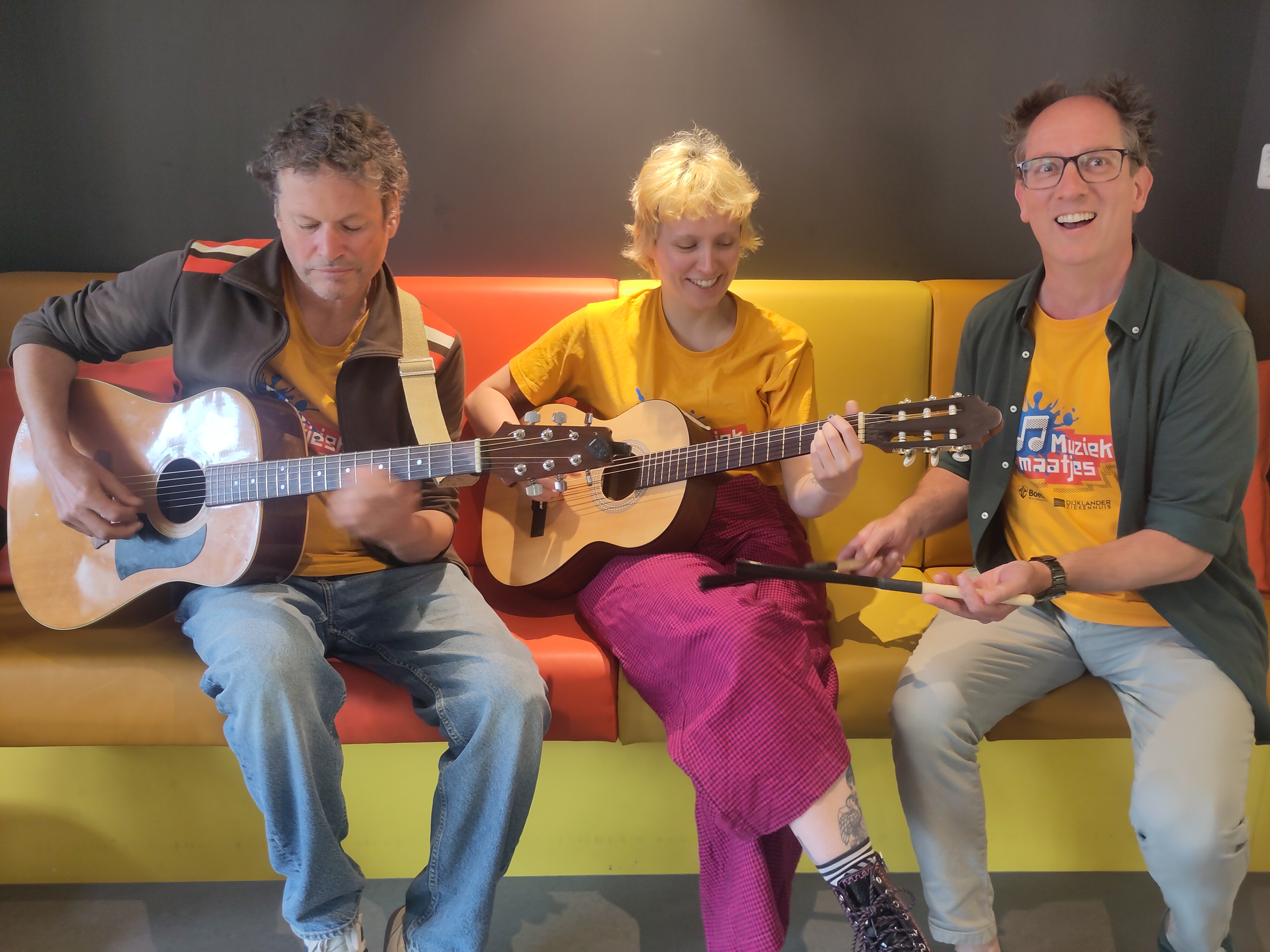
Gitarist Sergio zingt het kinderliedje De titel is ‘visje visje in het water’ voor een jonge patiënt en haar vader. Het liedje is bij veel Nederlandse kinderen bekend, maar dit kind en haar vader lijken het niet te kennen. Zonder te stoppen schakelt Sergio over op een improvisatie van de melodie in een Arabische toonladder. Het kind en haar vader glimlachen.
"We proberen erachter te komen wat aanslaat, zonder veel vragen te stellen," zegt Ciska Ruitenberg, die leiding geeft aan Muziekmaatjes, een Arts in Health programma in het Dijklander Ziekenhuis in Hoorn. Het Muziekmaatjes-programma ging ruim anderhalf jaar geleden van start in Dijklander, met twee keer per week muziek op de Neonatologie en Kinderpolikliniek. Sinds kort is het programma onder de naam Muziekmaatjes+ uitgebreid naar de geriatrie, nierdialyse, oncologie en neurologie.
Muziek maken voor patiënten is een vak, en de musici van Muziekmaatjes worden daarvoor getraind door een team van drie muziektherapeuten. Ze spelen alle stijlen die patiënten graag willen horen, maar ze leren ook om aandachtig en flexibel te zijn, en om aan te voelen wat er in de kamer speelt, zoals een zorgverlener dat zou doen. "We zijn er niet om op te treden," zegt Ruitenberg. "We zijn er om via muziek contact te maken met mensen. En als het niet het juiste moment is om te spelen, trekken we ons terug."
Kinderarts Noud Drewes van het Dijklander legt uit dat de musici altijd toestemming vragen voordat ze een kamer binnengaan. Zoals hij het beschrijft, komen de musici niet "een afdeling binnendenderen om hun ding te doen en weer te vertrekken", maar zijn ze "juist heel erg op zoek naar persoonlijk contact, en stemmen ze zich af op de situatie."
Het idee voor het Muziekmaatjes-programma kwam ruim een jaar geleden op een avond plotseling bij Drewes op. Hij volgde zangles bij Muziekschool Boedijn, gegeven door Ruitenberg. Drewes bracht zijn idee voorzichtig ter sprake: "Ik zei iets als: 'Zou dat niet wat zijn?'" Ruitenberg raakte meteen geïnspireerd door het idee en zag de mogelijkheden ervan. Al snel maakten de twee afspraken om het pilotprogramma van Muziekmaatjes te ontwikkelen.
Musici in een ziekenhuiskamer zijn misschien moeilijk voor te stellen — totdat je het je voorstelt vanuit het perspectief van een van een patiëntje en diens ouders die worden overvallen door een diagnose en leven met onzekerheid over de toekomst of vanuit een patiënt die alleen op een ziekenhuiskamer ligt en het gevoel heeft dat de wereld buiten doorgaat, terwijl hij of zij daar geen deel van uitmaakt . Het programma biedt elke patiënt een moment waarin aandacht, interactie en muziek volledig op de patiënt zijn afgestemd. Dat kan de ziekenhuiservaring menselijker maken. Hoewel wetenschappelijk onderzoek aantoont dat muziek kan bijdragen aan allerlei positieve gezondheidseffecten, is Muziekmaatjes eenvoudigweg bedoeld om patiënten zich prettiger te laten voelen en meer tot leven te laten komen in de vervreemdende sfeer van een ziekenhuis.
Toen Drewes en Ruitenberg het programma voor het eerst aan het ziekenhuis voorstelden, waren er sceptici. "Muziek, prima, zolang het maar niet te hard is," herinnert Drewes zich dat een collega zei. Na het eerste jaar van Muziekmaatjes waren ze echter overtuigd.
"Wanneer medewerkers zien dat de mensen voor wie ze zorgen op hun gemak zijn, glimlachen en contact maken, tilt dat de stemming voor iedereen op," zegt Drewes. Tegenwoordig spelen de musici bijna net zo vaak voor het personeel als voor de patiënten, vertelt Ruitenberg, en ze voegt eraan toe dat het wekelijks aanwezig zijn helpt om relaties met het personeel op te bouwen. "De musici en het personeel moeten weten wat ze van elkaar kunnen verwachten," zegt Ruitenberg. "Het opbouwen van dat vertrouwen kost tijd."
Terugkijkend op het eerste jaar van het programma ziet Drewes waar kunst in de zorg past binnen de transitie die gaande is in de Nederlandse zorg. De zorg van de 21e eeuw moet meer omvatten dan het behandelen van ziekte: ze moet ook ruimte bieden voor preventie en voor het welzijn van de hele mens. Voor Drewes helpt Muziekmaatjes om dat mogelijk te maken. Met het programma "kan ik op een veel menselijkere manier contact maken met mijn patiënten."
Het eerste jaar van het Muziekmaatjes-programma is geëvalueerd in een rapport van Arts in Health Groningen. Download hier het volledige evaluatierapport en de samenvatting. De medewerkers van het Dijklander ziekenhuis en de musici waren blij te horen dat het programma met twee jaar is uitgebreid, naar vier andere afdelingen in het Dijklander Ziekenhuis. Drewes zegt over de Muziekmaatjes: "Ze horen echt bij wat we nu doen, en we missen ze op hun vrije dagen."
Terug op de kinderafdeling glimlachen de vader en dochter nog steeds terwijl Sergio en de andere muzikant hun geïmproviseerde lied afronden. De patiënte en haar vader vragen of de muzikanten morgen terug willen komen.
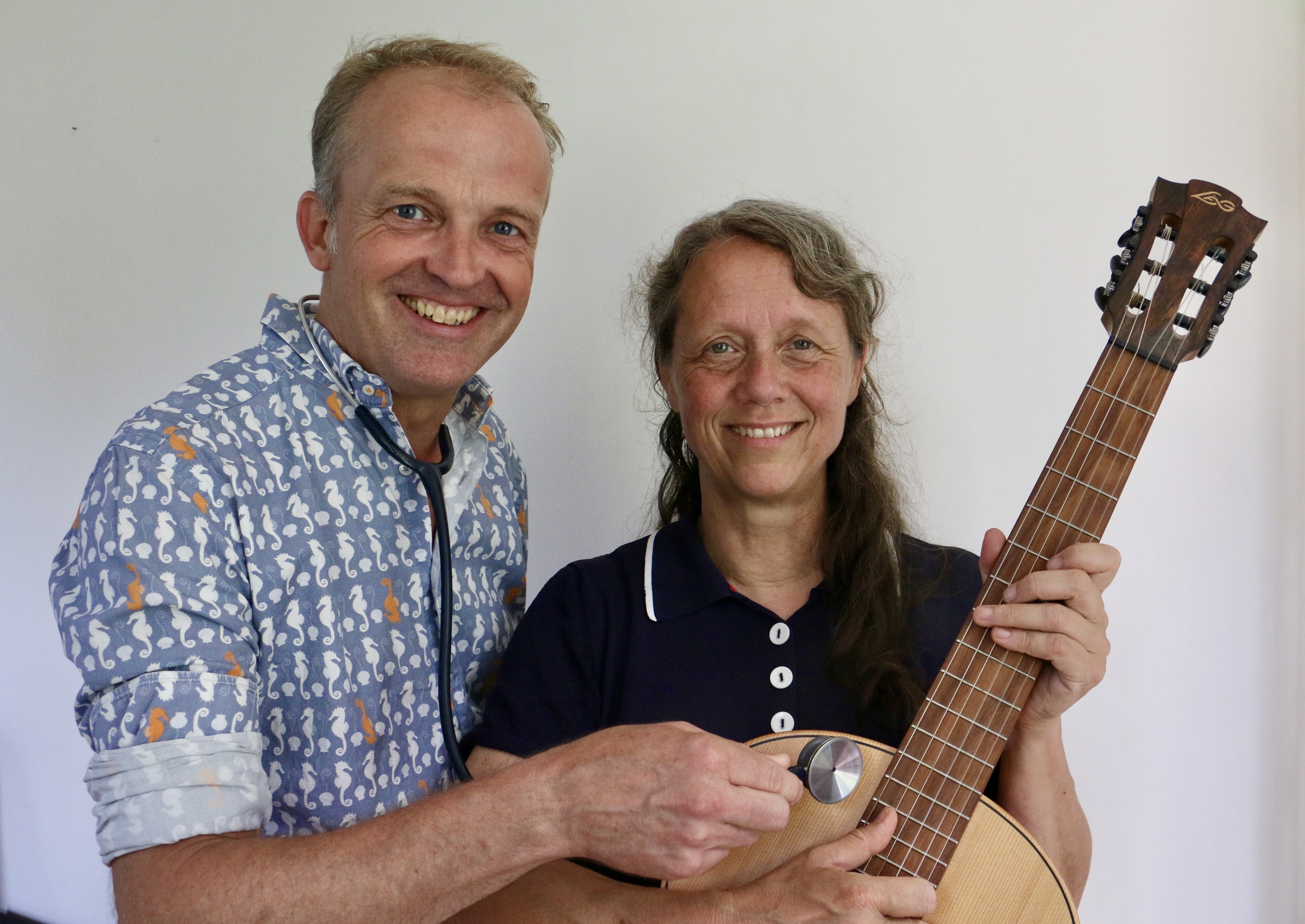
Het project Muziekmaatjes brengt live muziek naar kinderen en hun families in het Dijklander Ziekenhuis in Hoorn. Het programma ging in november 2024 van start als een pilot op de kinderafdeling en is inmiddels uitgebreid naar de afdelingen geriatrie, dialyse, oncologie en neurologie. Speciaal opgeleide muziekdocenten van Muziekschool Boedijn maken op de afdelingen muziek met en voor kinderen en hun families.
De muzieksessies vinden twee keer per week plaats. In overleg met het zorgpersoneel wordt de muziek en de interactie afgestemd op de behoeften van iedere patiënt. Zo hoort een pasgeborene rustige klanken, krijgt een achtjarige een vrolijk en energiek liedje te horen en kan een tiener een ukeleleles volgen. Ook ouders worden tijdens de sessies aangemoedigd om actief mee te doen.
Het Muziekmaatjes-programma vormt een waardevolle aanvulling op de zorg van artsen en verpleegkundigen en draagt bij aan het welzijn van zowel kinderen als hun families. Lees meer over Muziekmaatjes in het artikel van het Noordhollands Dagblad.
Projectleider Ciska Ruitenberg vertelt dat het idee voor het programma al ontstond tijdens haar deelname aan de Arts in Health Summer School in 2024. "Als docent weet ik hoe live muziek de stemming van kinderen en jongeren kan verbeteren," zegt ze. "Het idee om dat in een ziekenhuis te doen, bracht het naar een heel nieuw niveau."
Ruitenberg, een ervaren musicus en muziekdocent, was al enige tijd in gesprek met Dijklander-kinderarts Noud Drewes. Hij wilde live muziek inzetten om jonge patiënten zich tijdens hun behandeling en herstel meer mens te laten voelen. Samen met Drewes en medewerkers van het ziekenhuis werkte Ruitenberg een voorstel uit voor de pilot Muziekmaatjes. Dit voorstel werd ingediend bij het VSBfonds, dat maatschappelijke projecten ondersteunt. Het VSBfonds werkt samen met Arts in Health Groningen om de pilot te evalueren.
Het evaluatieonderzoek staat onder leiding van Ferdinand Lewis, wetenschappelijk directeur van Arts in Health Groningen, en wordt uitgevoerd door onderzoeker Nina van den Berg. In het onderzoek worden de uitvoering en de resultaten van de pilot Muziekmaatjes onderzocht. Op basis daarvan worden aanbevelingen gedaan om het programma verder te versterken en de duurzame voortzetting ervan te ondersteunen.
Lees hier het interview met Dijklander-kinderarts Noud Drewes en projectleider Ciska Ruitenberg van Muziekmaatjes.

.png)
Curious about what books are out there in the field of arts in health? Below is a short list of popular and academic books to get you started. These introduce the research, practice, and inspiration for Arts in Health, from authors around the world — from designing interventions to understanding how creativity supports wellbeing. Whether you’re an artist, researcher, healthcare professional, or simply curious about how art and care intersect, these books invite you to explore, learn, and connect. If you have any suggestions for books that should definitely be included, please let us know!
In her latest book Daisy Fancourt, presents the latest scientific evidence on how the arts and creativity contribute to health and wellbeing. It explores how engagement with the arts can support mental and physical health outcomes across different clinical contexts, and highlights global challenges faced by the arts sector. Art Cure invites readers to reconsider the role of the arts, not as a luxury, but as an essential part of individual and societal wellbeing.
In I Heard There Was a Secret Chord, neuroscientist and best-selling author Daniel J. Levitin explores the powerful relationship between music and healing, inviting readers to see music not only as art, but also as a form of care. Levitin draws on research from neuroscience and music therapy, arguing for how music can ease suffering, promote recovery, and calm the mind. The book connects scientific findings with stories of the experiences of musicians and patients, illustrating how rhythm and sound support mental and physical health. A fascinating read for anyone interested in the science and art of music as medicine.
Your Brain on Art explores the emerging field of NeuroArts—the study of how the arts and aesthetic experiences can change the body, brain, and behaviour. The authors show how creativity affects our biology and emotions, supporting health, wellbeing, and learning. Through stories from artists and scientists, this book invites readers to see the arts not as a luxury, but as an essential part of being human. Learn more at yourbrainonart.com.
Authored by one of the leading academics in the field, Designing and Researching Interventions provides a great introduction to the history, research, and practice of Arts in Health. Whether you are building an Arts in Health program, developing a research design, or want to understand the meaning of quality in this field, Designing and Researching Interventions will be a useful guide.
Arts, Health and Wellbeing, offers many useful descriptions and examples from the field of arts in health. The book covers topics such as arts on prescription and music therapy, for example, exploring their application in both hospital and community settings. If you are a researcher, or a practitioner in the field, or simply looking to learn more about the growing dialogue around arts and health, this book could be a valuable resource.
Drawing on scientific research, conversations with experts, and her own personal experiences, Sanneke Langendoen explores how music can support health and wellbeing in everyday life. The book highlights growing evidence showing that music can help reduce stress, improve sleep, support recovery and grief, enhance creativity, and strengthen focus. Combining research with practical insights, Soundtrack voor een beter leven invites readers to use music more intentionally as a tool for resilience, balance, and wellbeing. An accessible read for anyone interested in the connection between music, health, and wellbeing.
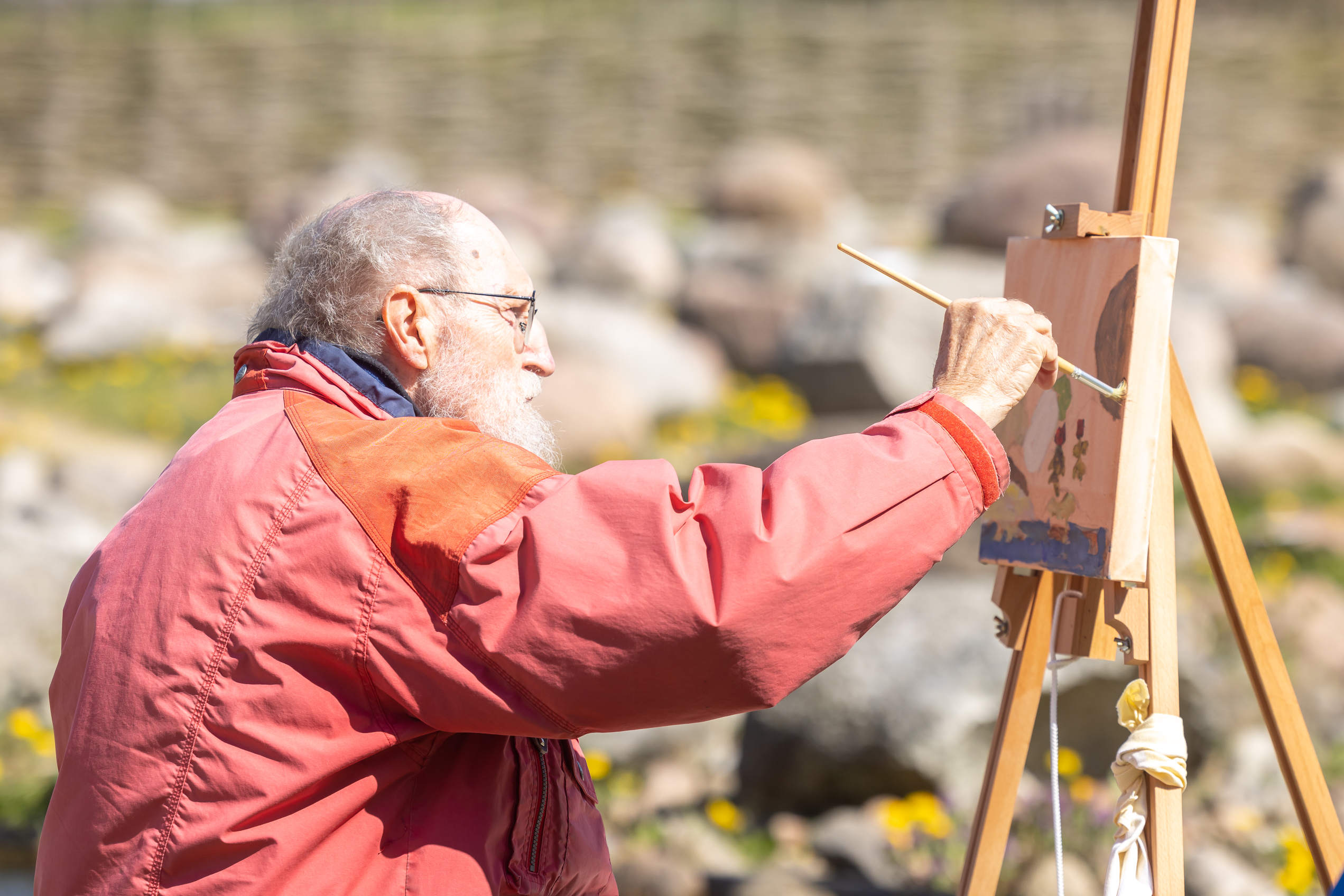
Stel je voor: je vader die langzaam vereenzaamt thuis. Geen acute ziekte, geen grote ingreep nodig, maar ook geen levenslust meer. De dagen worden stiller, het netwerk kleiner. Of je broer, die tussen wal en schip valt. Meerdere hulpverleners om hem heen, maar niemand die hem echt verder helpt. “Uiteindelijk zie je dat mensen steeds meer zorg nodig hebben,” zegt Ester van de Haar, directeur-bestuurder van Cultuur Oost.
En dan gebeurt er iets anders. Diezelfde mensen gaan schilderen, muziek maken, dansen. Niet als tijdverdrijf, maar als iets wat hun dag weer structuur geeft, hun wereld vergroot of hen opnieuw in contact brengt met anderen. “Dat is geen afleiding,” zegt Van de Haar. “Dat is waar iets begint te verschuiven in iemands leven.” Om dat zichtbaar te maken, is de campagne De kracht van Arts in Health gestart. Arts in Health brengt zorgprofessionals, kunstenaars, onderzoekers en beleidsmakers samen om kunst een vanzelfsprekende plek te geven in gezondheid en welzijn.
“Er zijn honderden praktijkvoorbeelden waarin kunst in de zorg bijdraagt,” vertelt Van de Haar. Van een patiënt die tijdens een operatie naar muziek luistert en minder pijnstilling nodig heeft tot een jongere die via muziek of cultuur weer een doel vindt en opnieuw aansluiting krijgt bij anderen. "Overal in Nederland gebeurt het al: in ziekenhuizen, in wijken en in verpleeghuizen. Internationaal en nationaal onderzoek onderbouwt de effecten.”
“Het punt is alleen dat al die voorbeelden projecten zijn, en nog geen onderdeel van hoe we onze zorg- en cultuursector hebben ingericht,” zegt Van de Haar. "De investering komt uit cultuurbudgetten, maar de kostenreductie landt in de zorg. Als we dat beter verbinden, kunnen we veel meer bereiken."
“Stel je voor dat een jongere een andere afslag neemt,” zegt Van de Haar. “Of een zorgmedewerker die ziet dat patiënten elkaar opzoeken in plaats van hem. Dat is wat kunst kan doen.”
Al die voorbeelden verdienen een groter podium én een stevigere basis om op verder te bouwen. Daarom is er De Kracht van Arts in Health: een campagne met verhalen uit de praktijk, onderzoek dat de effecten onderbouwt, en vanaf 19 mei 2026 een documentaire die laat zien wat er verandert als kunst en zorg samenkomen, ook financieel.
“Elke euro die je investeert in kunst en cultuur in de zorg, verdien je terug via minder zorggebruik, minder druk op professionals en minder inzet van zwaardere trajecten,” zegt Van de Haar. “Dat is de kracht van Arts in Health.”
Arts in health-onderwijs is volop in ontwikkeling in Nederland. De vraag groeit.
Daarnaast zijn er online cursussen van onder meer University College London, King’s College London en de Royal Society for Public Health.
Het consortium Creating Cultures of Care brengt in kaart welke opleidingen er al zijn en wat nog ontbreekt.
Hbo- en wo-opleidingen ontwikkelen steeds meer modules en minoren in arts in health. Die zijn onder meer te vinden binnen beeldende kunst, zorgethiek, verpleegkunde, geestelijke verzorging en de medische geesteswetenschappen.
Arts in health vraagt om mensen die zich bewegen tussen twee werelden. Je hoeft niet alles te weten, maar je bent nieuwsgierig naar beide werelden.
Wil je arts in health studeren?
Kijk welke opleidingen aansluiten bij zorg, kunst of welzijn. Denk aan verpleegkunde, kunstopleidingen of sociale studies. Van daaruit kun je je verder verdiepen in arts in health.
Geef je les of ontwikkel je een opleiding?
Arts in health is interdisciplinair en vraagt om samenwerking tussen kunst- en zorgopleidingen. Help studenten leren hoe ze veilig werken met kwetsbare mensen, en besteed vanaf het begin aandacht aan zelfzorg.
Wil je bijdragen aan de ontwikkeling van arts in health-onderwijs in Nederland? Binnenkort kun je je aansluiten bij de alliantie. Schrijf je in voor de nieuwsbrief om op de hoogte te blijven.