Thank you! Your submission has been received!
Oops! Something went wrong while submitting the form.

Arts in Health professionals gebruiken verschillende benaderingen om het welzijn van patiënten en personeel in de gezondheidszorg te ondersteunen, zowel in ziekenhuizen als in instellingen voor langdurige zorg. Dit kan variëren van het luisteren naar opnames tot een live optreden aan het bed van een patiënt, of het laten meezingen en spelen van personeel en familie, tot het improviseren van nieuwe muziek met patiënten en naasten.
In het ziekenhuis
Livemuziek in ziekenhuizen is een prachtig voorbeeld van hoe kunst welzijn en gezondheid kan versterken. Het project Muziekmaatjes, waar muziekschool Boedijn en Dijklander Ziekenhuis een meerjarige samenwerking zijn aangegaan, zorgt door livemuziek op de kinderafdeling voor momenten van ontspanning, ontsnapping en plezier bij kinderen en hun ouders. Een ander mooi initiatief specifiek voor kinderen is De Liedjesfabriek waar kinderen onder begeleiding van een muziekprofessional hun eigen liedje schrijven en opnemen. Kinderen uit heel Nederland kunnen bij De Liedjesfabriek een nummer maken over het onderwerp dat zij kiezen en in de muziekstijl die bij hen past.
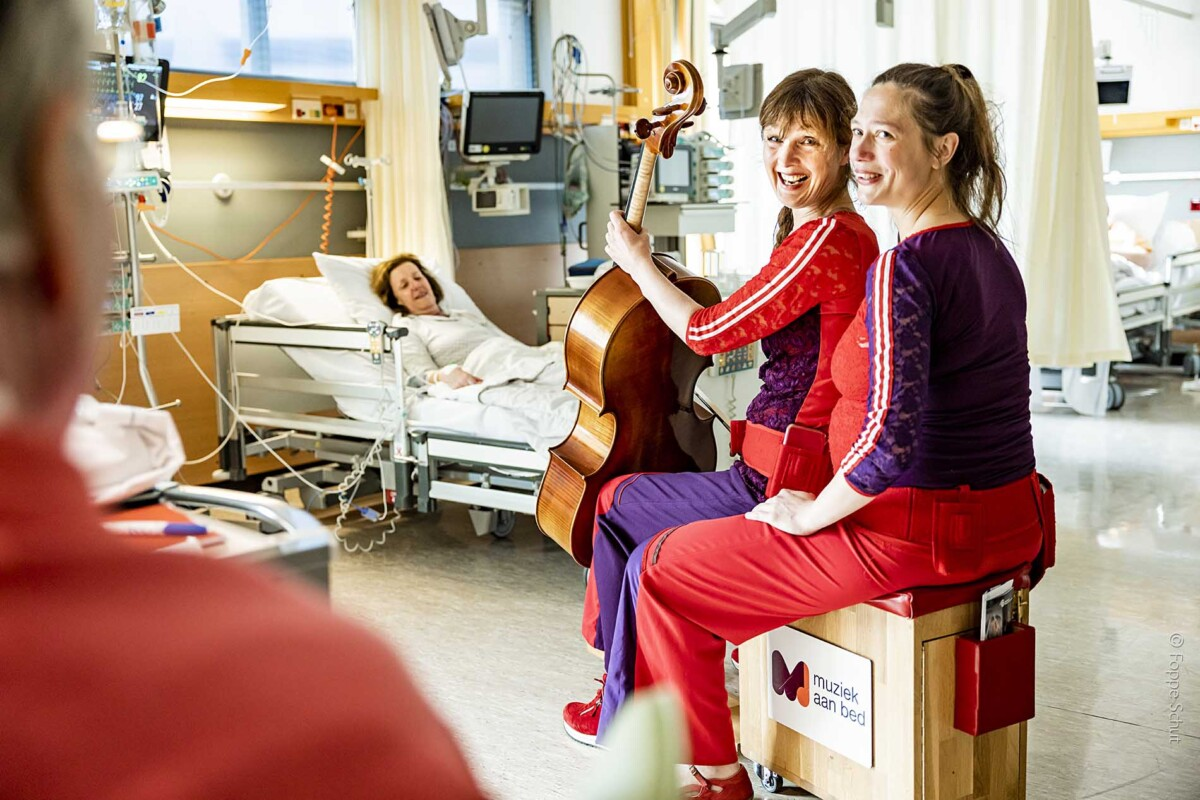
Muziek wordt ingezet op meer afdelingen in het ziekenhuis, bijvoorbeeld op de Intensive Care door het initiatief MuzIC. MuzIC werkt in ziekenhuizen door heel Nederland. Samen met de aangesloten ziekenhuizen streeft MuzIC naar een sneller herstel en het beperken van de impact die een IC-opname kan hebben op patiënten Ook de organisatie ‘Muziek aan bed’ verzorgt muzikale interventies op verschillende afdelingen van ziekenhuizen verspreid over Nederland.
In langdurige zorginstellingen en thuis
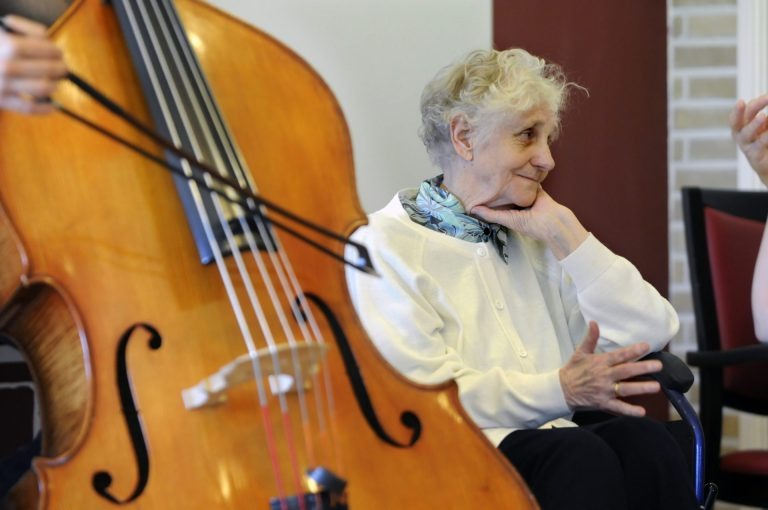
Muziek voor gezondheid en welzijn is er ook bij mensen thuis en bij bewoners van verpleeghuizen, revalidatiecentra en hospices. Zo brengt ‘Muziek aan Bed’ met het programma ‘Muziek aan tafel’ livemuziek bij dementerende bewoners van verpleeghuizen om samen te zingen, bewegen, dirigeren of luisteren.
Ook Mimic en Embrace zijn voorbeelden van organisaties die muziek in instellingen en in de thuissituatie aanbieden. Embrace richt zich bovendien op doelgroepen binnen het sociaal domein, bijvoorbeeld met het project ‘Slagkracht’ om sociale cohesie te vergroten. Zowel Embrace Nederland als Mimic verzorgen daarnaast workshops voor zorgprofessionals en mantelzorgers, waarbij zij leren hoe ze muziek kunnen integreren in de dagelijkse omgang met patiënten en familieleden.
Wat de wetenschap zegt
Er zijn aanwijzingen dat muziek bijdraagt aan herstel van ziekte, vermindering van pijn, stress, angst en depressie. Er zijn zelfs aanwijzingen dat muziek de reacties van het afweersysteem ten gunste kan beïnvloeden. In de thuissituatie kan muziek veel betekenen voor mensen met onder andere neurologische aandoeningen, zoals mensen die een beroerte hebben doorgemaakt, mensen met de ziekte van Parkinson of mensen met dementie.Specifiek bij mensen met neurologische aandoeningen lijkt muziek positieve effecten te hebben op de activatie van gebieden in de hersenen die betrokken zijn bij denken, voelen, beweging en emotie. In coronatijd gaven de hoogleraren Dick Swaab en Erik Scherder een interessant publiekscollege over ‘Muziek en het brein’ waarin de positieve effecten van muziek mooi uitgelegd worden. Muziek kan ook een krachtig middel zijn voor zorgmedewerkers en mantelzorgers: muziek geeft hen ontspanning en zorgt dat je even op een andere manier als zorgprofessionals samen bent en reflecteert. Onderzoeksresultaten van Mimic tonen verder dat muziek leidt tot een versterkt contact tussen patiënten en verpleegkundigen en een toename van compassie van verpleegkundigen.
Organisaties in Nederland op het gebied van muziek in de gezondheidszorg
Er zijn nog veel meer organisaties die muziek aanbieden in de gezondheidszorg, zoals ziekenhuizen, de langdurige zorg en het sociale domein. Zie bijvoorbeeld:
Participatieve Arts in Health-projecten richten zich op welzijn. Het doel is mensen te helpen ontspannen, zich minder alleen te voelen en actief, nieuwsgierig en betrokken in het leven te staan. Kunstenaars stimuleren bijvoorbeeld patiënten in ziekenhuizen, zorgmedewerkers en mensen in de wijk om zelf kunst te maken. Er bestaan een aantal opleidingen voor participatieve Arts in Health-praktijk in Nederland, maar op dit moment is er geen landelijke certificering of beroepsregister.
Vaktherapie kan zowel een vorm van behandeling zijn als ondersteuning van het algemeen welzijn, maar meestal hebben vaktherapieën specifieke gezondheidsdoelen. Vaktherapeuten zetten kunstzinnig werken in als behandeling, bijvoorbeeld bij psychische klachten of in de revalidatie. Vaktherapeuten zijn opgeleid en landelijk geregistreerd als therapeut.
Steeds meer kunstpraktijken vinden een plek in het leven van bewoners in de langdurige zorg en er zijn tal van mooie initiatieven gaande. Een voorbeeld daarvan is hetwerk van de kunstenaars Sjaak Langenberg en Rose de Beer, die in heel Nederland unieke initiatieven opzetten. Nederlandse Arts in Health-initiatieven verschillen van vorm, maar ze maken allemaal ruimte voor contact, verbeelding en welzijn.
Ook zijn er genoeg voorbeelden van zorgorganisaties die een Arts in Health-aanbod hebben. Zo werken Vitalis in Eindhoven en AxionContinu al jaren met een kunstcoördinator. In Amsterdam brengt het Ambulant Kunstteam van Cordaan kunstenaars de wijk in, waar zij samen met een cliënt thuis kunst maken. Ook in de geestelijke gezondheidszorg en in de zorg voor mensen met een verstandelijke beperking zijn er kunstprogramma's, zoals bij Lister en Reinaerde.
Arts in Health Groningen bouwt met pilotprojecten aan een vaste plek voor kunst in de zorg in het Noorden, bijvoorbeeld met kunstprogramma's voor medewerkers van het Universitair Medisch Centrum Groningen (UMCG) en via het buurtprogramma Buur & Boek met NOORDWOORD, waarin samen lezen en creatief schrijven buurtbewoners bij elkaar brengen. Ook in het Dijklander Ziekenhuis wordt live muziek steeds vaker een vast onderdeel van de klinische zorg.
Arts in Health-programma's beginnen vaak als pilot. Een pilot is een kans om zichtbaar te maken welke effecten kunst kan hebben op het welzijn van mensen. Pilots beantwoorden de vragen van sceptici en helpen bij het plannen van permanente, duurzame programma's.
Werk je in een zorginstelling? Overweeg je een participatieve Arts in Health-pilot in een organisatie of instelling? Begin dan met kijken waar kunst het welzijn zou kunnen ondersteunen binnen het reguliere dagelijkse leven. Zoek anderen die enthousiast zijn over het idee en die je kunnen helpen met het leggen van contacten. Bepaal wie de deelnemers van de pilot worden. Begin klein, maak een budget en leg al je werk goed vast.
Ben je kunstenaar of maker? Wil je een project voorstellen in een wijk, een instelling voor langdurige zorg of een ziekenhuis? Zoek dan eerst zoveel mogelijk uit over welke activiteiten daar al plaatsvinden en hoe bestaande programma's het leven en werk van de mensen daar vormgeven. Zijn er specifieke uitdagingen waar jij ondersteuning bij zou kunnen bieden? Welke vormen van zorg hebben de mensen daar echt nodig? Zoek mensen die openstaan voor je idee en die je in contact brengen met anderen in de wijk of organisatie.
Je hoeft een Arts in Health-project niet helemaal vanaf nul op te bouwen. Een goed begin is je voor te stellen hoe het werk dat je al doet zorg en steun kan bieden aan mensen die dat nodig hebben. Welke kunstvorm of aanpak je ook kiest, die moet passen bij de deelnemers en de setting.
Arts in Health Netherlands verbindt mensen en organisaties die zich inzetten voor Arts in Health in Nederland. Om de beweging verder te brengen, werken we aan vier thema's: praktijk, onderzoek, beleid en onderwijs. Rond elk thema komen mensen samen die ervaring, kennis en netwerk meebrengen. Zo bouwen we stap voor stap aan een stevig veld in Nederland. Hoewel professionals van veel organisaties betrokken zijn bij AiHN, nemen op dit moment drie organisaties het voortouw bij de inhoudelijke opbouw van het thema praktijk:
Om de praktijk in Nederland beter te begrijpen, heeft de praktijkgroep een inventarisatie gemaakt van ruim 220 Arts in Health-initiatieven. Het rapport laat zien waar initiatieven hebben plaatsgevonden, welke soorten samenwerkingspartners betrokken waren en welke thema's, doelgroepen en financieringsvormen voorkomen. Ook laat het zien welke factoren bijdragen aan succesvolle en duurzame Arts in Health-praktijken. Samen bieden ze een eerste overzicht van waar het veld nu staat en wat nodig is om het verder te ontwikkelen.
Welke factoren maken het Arts in Health veld succesvol? Op basis van een enquête onder professionals uit de zorg-, welzijns- en cultuursector beschrijft dit rapport werkzame elementen, randvoorwaarden en aanbevelingen voor een duurzame praktijk. Download het rapport hier.
Wil je een actieve bijdrage leveren aan arts in health? Binnenkort is dat mogelijk door je aan te sluiten bij de alliantie. Schrijf je in voor onze nieuwsbrief om op de hoogte te blijven.
AxionContinu is een zorginstelling uit Utrecht (en omgeving) die kunst en cultuur inbedt in haar dagelijkse aanbod. Naast een uitgebreid muziekaanbod — zoals een koor en de populaire ‘appeltaartconcerten’ — kunnen bewoners deelnemen aan tal van activiteiten. Zo is er Museum op vrijdag, waarbij bewoners gezamenlijk een museum bezoeken. Ook werkt AxionContinu samen met studenten van de Hogeschool voor de Kunsten Utrecht (HKU) in het project We Heart Society, waarin muziekstudenten samen met bewoners liedjes maken.
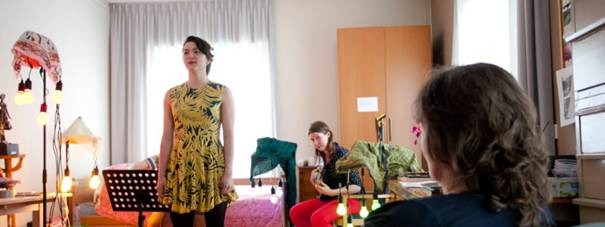
In de regio Eindhoven heeft Vitalis (regio Eindhoven) een rijk kunstprogramma. Het theaterproject Trotse kameraden brengt bewoners, jongeren en wijkbewoners samen om een voorstelling te maken. Ook is er AtelierSkon, een werkplaats waar bewoners, wijkbewoners en andere geïnteresseerden van restmaterialen mooie objecten maken.
Cordaan, actief in Amsterdam, biedt zorg aan mensen met een verstandelijke beperking en aan (dementerende) ouderen. Met het programma Kunst in de Zorg willen zij de kwaliteit van leven verbeteren door middel van diverse kunstvormen. Mooie voorbeelden zijn het ambulant kunstteam en multimedia digitale kunst. Bij multimedia digitale kunst leren mensen met een verstandelijke beperking fotograferen, filmen en vormgeven. Het ambulant kunstteam — bestaande uit beeldend kunstenaars, schrijvers, dansers en andere makers — gaat creatief met cliënten aan de slag of bezoekt samen met hen een museum of een voorstelling.
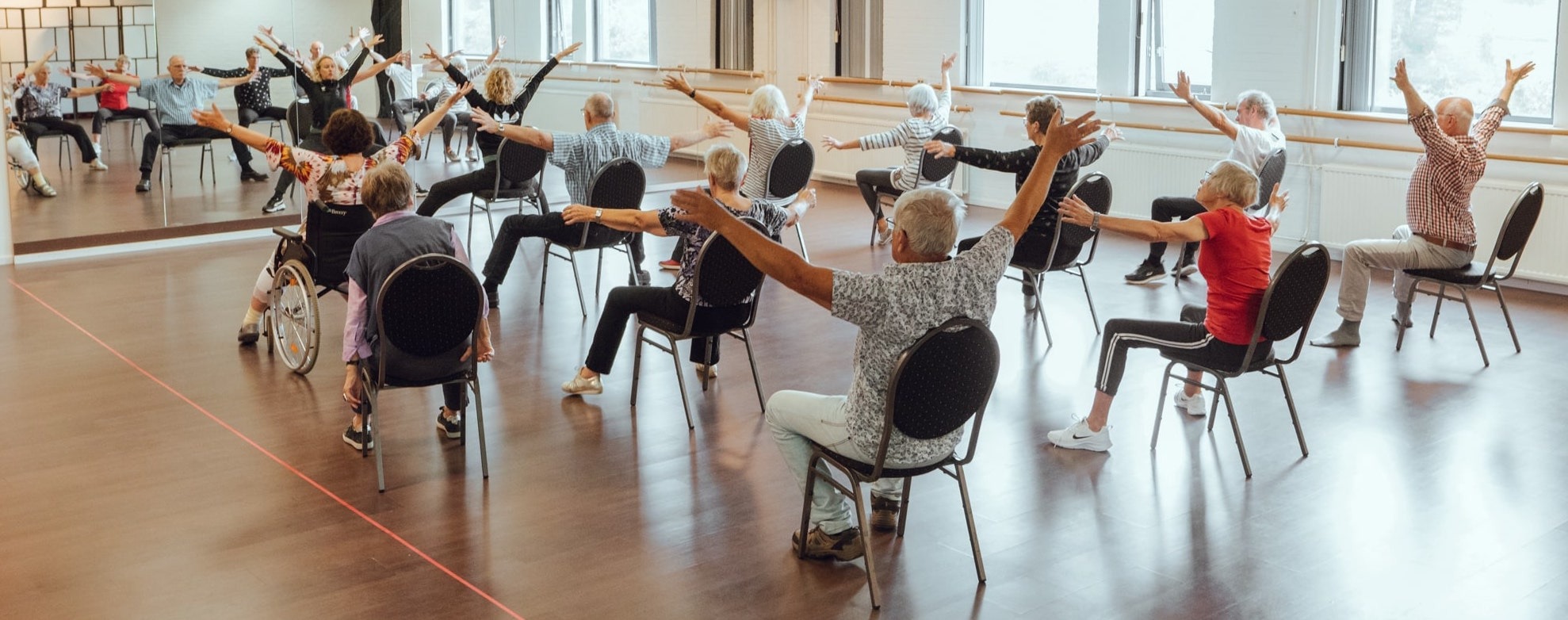
Dans op Recept (Noord-Nederland en Limburg) geeft danslessen en workshops aan ouderen en mensen met een chronische aandoening, vaak op woonzorglocaties. Daarnaast trainen zij zorgprofessionals zodat zij dans kunnen integreren in hun dagelijkse routines. Het dansgezelschap Leefmeesters, dat onderdeel is van Dans op Recept, maakt voorstellingen waarin professionele dansers samenwerken met chronisch zieke mensen.
Meerdandans (Noord-Holland) biedt danslessen aan mensen met Parkinson en niet-aangeboren hersenletsel. Aanvragen uit andere regio’s worden doorverwezen naar docenten uit hun netwerk.
Het Huiskamerdanspaleis organiseert dansmomenten voor ouderen met dementie op locatie. De ruimte wordt sfeervol aangekleed en er is een dansdocent aanwezig ter begeleiding. Voor valpreventie heeft Het Huiskamerdanspaleis een speciaal programma ontwikkeld: Het Danspaleis Valpreventie.
Marc Vlemmix Dance richt zich op mensen met aandoeningen als MS, reuma en Parkinson. Tijdens de toegankelijke lessen werken deelnemers aan kracht, balans en flexibiliteit. Hoewel het geen therapie is, ervaren veel deelnemers een duidelijke verbetering van hun kwaliteit van leven.
Switch2Move combineert muziek en beweging voor mensen met de ziekte van Parkinson, dementie, MS of andere chronische aandoeningen. Er zijn open lessen in de regio Amsterdam, Tilburg en Den Bosch, maar voor mensen die aan huis gebonden zijn is het mogelijk om de danslessen via een videoverbinding te volgen.
Theater Veder speelt voorstellingen in onder andere verzorgingshuizen en maakt gebruik van de Veder Contactmethode. Deze methode leren zij ook aan zorgprofessionals om het contact met cliënten te verbeteren.
Cliniclowns bezoeken niet alleen kinderen, maar ook ouderen met dementie. Door middel van spel, improvisatie en muziek sluiten zij aan bij de belevingswereld van bewoners en creëren ze waardevol contact.
Veel musea hebben speciale programma’s op het snijvlak van kunst, zorg en welzijn, zie bijvoorbeeld Museum van de Geest, Rijksmuseum en Mauritshuis, voor meer informatie kun je ook terecht bij de Museumvereniging.
Maar er zijn ook initiatieven die het mogelijk maken voor ouderen met gezondheidsproblemen om toch van kunst te genieten, zoals MuseumPlusBus. Dat kan via een expositie op locatie — met hoogwaardige reproducties — of door vervoer naar een museum.

KOO (Den Haag) biedt diverse kunstactiviteiten aan voor mensen met een chronische ziekte. Kleurenparade laat senioren kennismaken met verschillende kunstdisciplines, terwijl Kunstknuffel creatieve activiteiten organiseert binnen zorginstellingen. Alle activiteiten worden begeleid door vakdocenten.
In de Achterhoek biedt Amphion Cultuurbedrijf, binnen het landelijke programma Lang leve de kunst, een uitgebreid aanbod van activiteiten voor zorginstellingen. Cultuur met zorg omvat diverse projecten. Zo zijn er huis-kunstenaars die wekelijks langskomen bij een woongroep, maar er zijn ook allerlei kleinschalige initiatieven zoals vilten, dansen en fotograferen onder begeleiding van een kunstenaar. Daarnaast is er een aanbod van korte theatervoorstellingen, geschikt voor bijvoorbeeld mensen met dementie.
De Wereldgezondheidsorganisatie (WHO) bracht in 2019 een uitgebreid rapport uit over de rol van kunst bij bevordering van gezondheid en welzijn. Daarin staat dat er veel onderzoek is gedaan én dat er overtuigend bewijs is voor positieve effecten van kunstbeoefening of het bekijken/beluisteren van kunst.
Een aantal bevindingen:
De ministeries van OCW en VWS werken samen met Stichting RCOAK en Fonds Sluyterman Van Loo in het programma Kunst en Cultuur in de Langdurige Zorg en Ondersteuning. Eén van de doelen is het in kaart brengen van bestaande kunstinitiatieven om te achterhalen welke succesfactoren bijdragen aan een effectief en duurzaam aanbod.
Ook sloegen Amsterdam UMC en Leyden Academy on Vitality and Ageing de handen ineen in het programma Kunst in de Zorg om onderzoek te doen naar de waarde van kunst in de langdurige zorg door bestaande kunstinitiatieven te beschrijven en de impact te evalueren.
Arts in Health ontstaat in de praktijk, maar de keuzes daaromheen bepalen of initiatieven kunnen doorgroeien. Veel projecten laten zien wat kunst kan betekenen voor gezondheid, welzijn en kwaliteit van leven. Tegelijk blijft structurele inbedding vaak lastig, doordat financiering, samenwerking en verantwoordelijkheden versnipperd zijn.
Het rapport Kunst in zorg – wegen naar verankering onderzoekt waar binnen bestaande wet- en regelgeving ruimte zit om Arts in Health duurzamer te organiseren. Van gemeenten en zorgverzekeraars tot welzijn en langdurige zorg: er blijkt vaak meer mogelijk dan gedacht. Ook maakt het rapport zichtbaar waar samenwerking tussen zorg, cultuur en beleid in de praktijk nog vastloopt.
Dit rapport is uitgevoerd door VitaValley in opdracht van Arts in Health Netherlands.

In 2025 vond in het UMCG een pilot plaats op het gebied van Arts in Health. Vijf professionele kunstenaars werkten hierin samen met medewerkers van vijf verschillende afdelingen aan participatieve kunstprojecten, gericht op het versterken van welzijn op de werkvloer. De pilot was een initiatief van Arts in Health Groningen, in samenwerking met het UMCG en theatergezelschap Peergroup.
In het groeiende vakgebied Arts in Health gebruiken kunstenaars creatieve methoden om het welzijn van zorgverleners en patiënten te ondersteunen en een gezonde levensstijl te stimuleren. Het is geen vervanging van zorg, maar een waardevolle aanvulling.
In deze pilot ligt de nadruk op het ondersteunen van medewerkers van het UMCG. Als reactie op de toenemende druk op zorgmedewerkers – hoge werkdruk, burn-out en compassiemoeheid – creëerden de projecten ruimte voor verbinding, inspiratie en het herontdekken van betekenis in het werk. Het centrale thema van de pilot was Zie de mens.
Kunstenaars en afdelingen werden zorgvuldig geselecteerd en aan elkaar gekoppeld. Gedurende vijf maanden maakten de kunstenaars deel uit van hun respectievelijke afdelingen binnen het UMCG:
De medewerkers van elke afdeling leerden hun kunstenaar kennen door haar te betrekken bij het werk en de dagelijkse routines. Naarmate de kunstenaars hun afdelingen beter leerden kennen, introduceerden ze creatieve activiteiten die medewerkers tijdens pauzes, rustige momenten op de werkdag en zelfs na werktijd konden doen. Medewerkers gaven aan dat deze creatieve activiteiten hen hielpen hun collega's op een andere manier te leren kennen, los van hun professionele rol.
De kunstenaars en het pilotteam - programmamakers, coördinator en onderzoekers - kwamen gedurende het traject wekelijks samen in een learning community. Deze bijeenkomsten boden ruimte voor reflectie, uitwisseling en onderlinge ondersteuning.
Parallel aan de pilot werd een evaluatie uitgevoerd om inzicht te krijgen in de ervaringen van de deelnemers en de betekenis van het project voor het personeel in de context van hun werk.

Als eindresultaat van de pilot is, in samenwerking met theatergezelschap Peergroup, een audio-ervaring door het UMCG ontwikkeld. De audiowandeling, getiteld Adrenaline, biedt medewerkers en publiek de mogelijkheid om het thema van de pilot 'Zie de mens' zelf te ervaren, dolend door de gangen en kamers van het ziekenhuis zelf.
Bezoekers worden individueel, met een koptelefoon op, door het UMCG geleid en krijgen toegang tot ruimtes die normaal gesproken niet toegankelijk zijn voor het publiek. Het ziekenhuis zelf fungeert als verteller en deelt verhalen over patiënten en medewerkers, beleidsmakers die worstelen met transities en renovaties, en zorgprofessionals die onder immense druk werken.
Adrenaline nodigt bezoekers uit om het ziekenhuis vanuit een ander perspectief te beleven en na te denken over het menselijke aspect van zorg.
Adrenaline is te bezoeken in het UMCG van 25 februari tot en met 22 maart 2026.
Pilotteam
De pilot wordt geleid door programmamakers Kirsten Krans en Dirk Bruinsma, onderzoeker/trainer Ferdinand Lewis, en projectcoördinator & onderzoeker Nina van den Berg.
Stuurgroep
De stuurgroep van het UMCG zorgt voor strategische begeleiding en supervisie, onder voorzitterschap van Michiel Kahmann, met de volgende leden: Barbara van Leeuwen, Hanneke van der Wal-Huisman, Jaap Tulleken, Bertrand de Jong, Edwina Doting, Joke Fleer en Mark Dessing.
Partners
Universitair Medisch Centrum Groningen, Rijksuniversiteit Groningen, Aletta Jacobs School of Public Health, Peergroup en Nationaal Programma Groningen.
Hoe komt het dat kunst op de ene plek een vanzelfsprekend onderdeel wordt van de zorg, terwijl het op de andere plek een tijdelijk project blijft? In het ene ziekenhuis loopt een kunstcoördinator over de afdelingen. Ze legt een boek bij een bed, nodigt een muzikant uit op de verpleegafdeling of tipt de verpleegkundige over een kunstenaar. In een ander ziekenhuis is kunst vooral afhankelijk van vrijwilligers. Een verpleeghuis wil musici uitnodigen, maar heeft er geen budget voor. Elders geeft een stichting meer dan honderd concerten per jaar.
Voor het rapport Werkzame elementen in kunst, zorg en welzijn sprak de werkgroep praktijk van Arts in Health Netherlands met mensen die dit werk elke dag doen: een verpleegkundige, kunstcoördinatoren, kunstenaars, social designers en de directeur van een wijk cultuurhuis. Hun praktijk verschilt soms enorm, maar er zijn ook elementen die van belang zijn voor hen allen. Dit artikel bundelt deze inzichten.
Vrijwel ieder initiatief begint met iemand die kansen ziet en mensen bij elkaar brengt. Vaak zonder volledig mandaat, meestal met een pilot, en altijd met veel doorzettingsvermogen. Als verbinder is het belangrijk om een gedreven team samen te stellen: niet alles moet van de motivatie van een enkel persoon afhangen.
Een verbinder, in het rapport ook wel grenswerker genoemd, heeft kennis en ervaring van zowel de kunsten als de zorg nodig. De rol van de verbinder omvat het begeleiden en ondersteunen van kunstenaars en het betrekken van zorgprofessionals en de bredere organisatie in een initiatief. Ook laat de verbinder aan bestuurders zien wat kunst kan betekenen voor de organisatie in de dagelijkse praktijk.
Het succes van een project of programma is afhankelijk van mensen die zich hard maken voor Arts in Health. Het is belangrijk dat deze verbinder het gezicht is van het project, zelfs als de voortgang langzaam gaat. Social designers Sjaak Langenberg en Rosé de Beer benadrukken dat verandering begint met “aanwezig zijn”: door mee te lopen, vragen te stellen en verbindingen te leggen.
Het rapport richtte zich op participatieve Arts in Health-praktijk, niet op vaktherapie. Vaktherapeuten zetten kunst in om therapeutische doelen te bereiken; participatieve kunstenaars ondersteunen welzijn, zonder dat vooraf gezondheidsuitkomsten worden voorspeld. Een sterke praktijk vraagt om professionele kunstenaars. Een professionele kunstenaar daagt mensen uit, verrast hen en ziet ze bovenal als mens. Niet als patiënt of cliënt, maar als maker, muzikant of verteller.
In Nederland zijn meerdere organisaties zich bewust van het belang van training. Zo werken er bij Galerie Atelier Herenplaats professioneel opgeleide kunstenaars. Na zorgvuldige selectie investeert Stichting Appeltaartconcerten in de ontwikkeling van de musici. Bij CliniClowns worden de spelers intensief getraind en aangemoedigd om zich verder te ontwikkelen.
Een inspirerend project is nog geen blijvende praktijk. Kunst krijgt pas echt een vaste plek wanneer ze onderdeel wordt van de organisatie, en dat ziet er in elke praktijk anders uit. Bij GGzE is de rol van kunstcoördinator opgenomen in het beleid. Vitalis werkt met cultuuraanjagers in het managementteam. Amsterdam UMC heeft een eigen afdeling Kunstzaken die Arts in Health-projecten ondersteunt. Ruimte voor kunst ontstaat niet vanzelf: daarvoor is organisatorische steun nodig, en soms ook steun vanuit de wijk.
In zorgorganisaties en instellingen is bovendien de steun van bestuurders nodig, en die steun ontstaat zelden rondom een vergadertafel. Veel geïnterviewden zien hetzelfde gebeuren: zodra bestuurders zelf ervaren wat kunst met mensen doet, verandert ook hun blik. Eén directeur die meedoet aan een workshop, ervaart in een half uur vaak meer dan tien beleidsnota's kunnen uitleggen.
Een tentoonstelling, een korte film, het verhaal van een deelnemer of een concert op de afdeling maakt zichtbaar wat kunst teweegbrengt. Deelnemers worden er trots van, collega’s raken betrokken en bestuurders zien waarom het de moeite waard is om ermee door te gaan. Op professionele wijze vastleggen wat er gebeurt is geen bijzaak, maar helpt de praktijk verder.
Marike Soeterik, projectleider Kunst en Welzijn in Amsterdam, merkt dat een kort filmpje vaak meer bereikt dan een uitgebreide presentatie. Ook ziet ze dat het helpt om een deelnemer aan het woord te laten bij een wijktafel: mensen begrijpen meteen waarom zo’n kunstproject ertoe doet.
Kunstenaars hebben een andere manier van kijken; hier kunnen organisaties van leren.
Een voorbeeld hiervan is het project Progress vs Regress van kunstenaar Melanie Bonajo. Samen met bewoners van een woonzorgcentrum maakte ze een film over hun leven, hun ideeën over technologie en hun blik op de toekomst. Daarbij stond de mens boven de zorgvraag.
Zo'n andere blik doet iets met een organisatie. Zorgteams gaan bewoners anders zien, en bestuurders gaan andere vragen stellen. Daarom noemen sommige kunstenaars zichzelf niet alleen maker, maar ook veranderkundige. Ze helpen collega's in de zorg nieuwe mogelijkheden ontdekken door samen te doen, uit te proberen en bij te sturen.
Een vaste plek voor kunst in de organisatie vraagt ook om een duurzame manier van financieren. In de praktijk blijkt een combinatie van verschillende financieringsbronnen vaak het meest toekomstbestendig. Zorgbudgetten, fondsen, gemeenten en culturele partners versterken elkaar en maken het mogelijk om verder te bouwen dan één projectperiode.
In het rapport Werkzame elementen in kunst, zorg en welzijn lees je welke factoren volgens professionals bijdragen aan succesvolle en duurzame Arts in Health-praktijken. Download het rapport en ontdek de inzichten, voorbeelden en aanbevelingen uit de praktijk.
Het rapport Werkzame elementen in kunst, zorg en welzijn is opgesteld door Atty Bax (Kunstloc Brabant), Joyce Vlaming (AxionContinu) en Finn Minke (LKCA) voor de werkgroep Praktijk van Arts in Health Netherlands. Voor het rapport werden dertien professionals uit ziekenhuizen, de langdurige zorg en de wijk geïnterviewd.
Een inventarisatie van 220 projecten geeft een overzicht van het huidige Nederlandse Arts in Health-veld. Deze inventarisatie laat zien waar Arts in Health-projecten plaatsvinden, wie ermee worden bereikt en hoe de initiatieven te werk gaan. De inventarisatie biedt een basis voor een landelijke database van Arts in Health-projecten, nu en in de toekomst, en voor nieuwe verbindingen tussen sectoren.
Deze inventarisatie is een eerste aanzet. Er vinden meer projecten plaats dan in het rapport vermeld staan. Dat Noord-Brabant sterk vertegenwoordigd is, komt vooral doordat Kunstloc Brabant de inventarisatie uitvoerde en daar al een sterk netwerk actief is. Het Arts in Health-veld is groter dan je misschien verwacht Arts in health initiatieven zijn overal: in het sociaal domein, de langdurige zorg en ziekenhuizen, maar ook op scholen, in bibliotheken en musea, bij de huisarts, in hospices, de GGZ en asielzoekerscentra. Ze richten zich op volwassenen, ouderen en jongeren, maar ook op kinderen, mantelzorgers en zorgmedewerkers.
Arts in Health initiatieven zijn zeer divers.. Beeldende kunst en muziek komen het meest frequent voor, maar ook theater, fotografie, dans, social design, vormgeving, literatuur, textiel, film, nieuwe media en technologie maken deel uit van de praktijk. Een clown op een kinderafdeling, een dichter die met bewoners van een verpleeghuis werkt, of mensen die samen een quilt maken: het hoort er allemaal bij. Het is bijna altijd een samenwerking
Een van de opvallende uitkomsten is dat succesvolle projecten meestal ontstaan uit samenwerking tussen verschillende partners. Kunstenaars werken samen met zorgorganisaties, welzijnsinstellingen en culturele partners. Slechts een handjevol projecten heeft geen enkele samenwerkingspartner.
Dat toont de werkwijze van Arts in Health: een samenwerking tussen verschillende sectoren waar kunst, zorg en welzijn elkaar versterken. Mensen met verschillende achtergronden die samen nieuwe praktijken ontwikkelen om welzijn te ondersteunen..
Toch laat de inventarisatie ook iets anders zien. De realiteit is dat veel Arts in Health-initiatieven die een permanente bijdrage willen leveren, afhankelijk zijn van tijdelijke subsidies.
De meeste initiatieven draaien op financiering voor ongeveer een jaar. Subsidies lopen af en moeten steeds opnieuw worden aangevraagd. Slechts 37 van de ruim tweehonderd initiatieven hebben financiering voor langer dan drie jaar. De rest leeft van projectfinanciering naar projectfinanciering. Dat is de projectencarrousel: veel beweging, maar weinig vaste grond onder de voeten.
Een ander patroon viel ook op: initiatieven waarbij een cultuurcoördinator vanuit een van de partijen betrokken is, hebben vaker structurele financiering. Precies zo'n verbinder, die kunst en zorg aan elkaar knoopt, hangt samen met praktijken die langer standhouden.
Deze inventarisatie evalueert niet kwaliteit of impact van projecten aangezien de wetenschappelijke literatuur al laat zien dat Arts in Health een levensvatbaar veld is in Nederland. De bedoeling is om te laten zien dat mensen uit diverse sectoren samenwerken om het rijke en veelzijdige Nederlandse Arts in Health-veld te onderhouden en te laten groeien.
Benieuwd naar alle cijfers en inzichten? Download de eerste landelijke inventarisatie van Arts in Health Netherlands. Hierin lees je waar Arts in Health in Nederland plaatsvindt, hoe het veld is georganiseerd en welke kansen er liggen voor de toekomst.
European Culture and Health Hub zet kunst en cultuur op de Europese gezondheidsagenda
Nederland en Europa worden geconfronteerd met toenemende druk op de geestelijke gezondheid en het welzijn, naast stijgende niveaus van eenzaamheid, sociaal isolement en de uitdagingen van een vergrijzende bevolking. Kunst en cultuur kunnen een rol spelen bij het aanpakken van deze problemen, hoewel dit nog steeds wordt onderschat in het reguliere gezondheidsbeleid. Met de lancering van de European Culture and Health Hub, een nieuw Horizon Europe-project, zullen twintig organisaties uit dertien Europese landen de komende drie jaar samenwerken om de verbinding tussen cultuur, gezondheidszorg en het sociale domein te versterken.
Het project, gecoördineerd door de Hogeschool Turku (Finland), brengt 20 organisaties samen, waaronder 15 projectpartners en 5 geassocieerde partners, uit 13 Europese landen. Arts in Health Groningen vertegenwoordigt Nederland in het consortium.
Cultuur als onderdeel van gezondheid en welzijn
De European Culture and Health Hub sluit aan bij de aanbevelingen uit het rapport Culture and Health: Time to Act (2025), waarin de Europese Commissie, de Europese Unie en haar lidstaten worden opgeroepen om cultuur een grotere rol te geven bij het bevorderen van gezondheid en welzijn.
Onderzoek van de Wereldgezondheidsorganisatie (WHO) laat zien dat deelname aan kunst- en cultuuractiviteiten kan bijdragen aan mentaal welzijn, veerkracht en sociale verbondenheid. Ook wordt een relatie gezien tussen culturele participatie en een betere mentale en emotionele gezondheid. In Nederland wordt deze kennis steeds vaker toegepast in projecten, onderwijs en onderzoek binnen het groeiende Arts in Health-veld.
Europese samenwerking en kennisdeling
De European Culture and Health Hub brengt onderzoekers, beleidsmakers, kunstenaars, zorgprofessionals en maatschappelijke organisaties uit heel Europa samen. Samen bouwen zij aan nieuwe samenwerkingen, delen zij kennis over de rol van kunst en cultuur in gezondheid en welzijn.
De Hub wordt ontwikkeld in nauwe samenwerking met beleidsmakers, professionals, onderzoekers en lokale gemeenschappen. Daarmee sluit het initiatief aan bij concrete vragen uit de praktijk. Daarnaast brengt het project bestaande wetenschappelijke kennis in kaart, identificeert het kennishiaten en ontwikkelt het praktische hulpmiddelen voor lokale, regionale en nationale beleidsmakers. Binnen het project worden Arts in Health-initiatieven in verschillende Europese landen onderzocht, waaronder Nederland. Ook wordt gewerkt aan scholing, kennisdeling en ondersteuning voor organisaties die kunst en cultuur willen inzetten voor gezondheid en welzijn.
Project kick-off in Groningen
Van 1 tot en met 3 september organiseerde Arts in Health Groningen de kick-off van de European Culture and Health Hub (ECHH) in Groningen. De start van het project begon op 1 september met een openbare lezing van Daisy Fancourt, hoogleraar aan het UCL Institute of Epidemiology and Health Care, UNESCO Chair in Arts & Global Health en directeur van het Collaborating Centre on Arts and Health van de Wereldgezondheidsorganisatie. De lezing werd georganiseerd in samenwerking met Studium Generale Groningen.
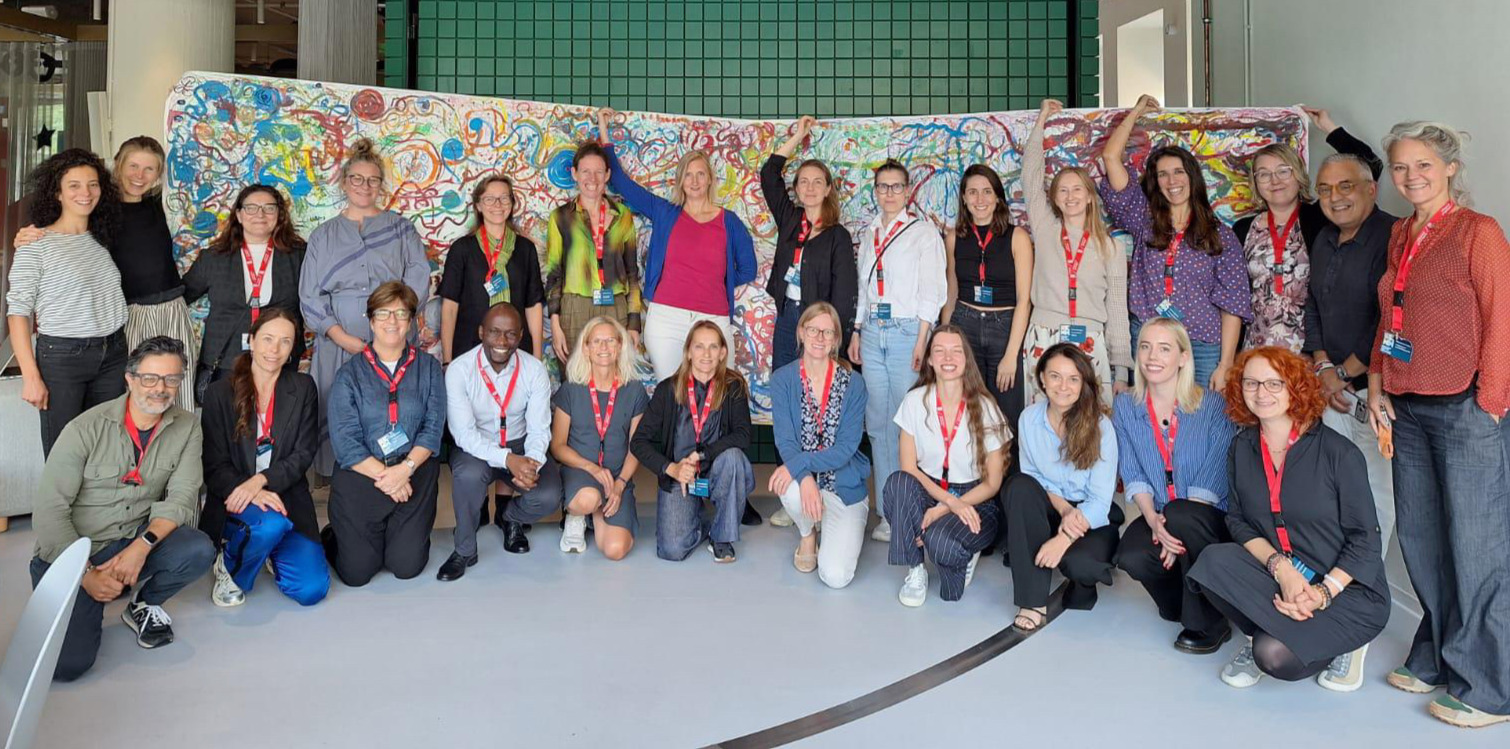
Op 2 en 3 september kwamen de projectpartners samen bij de Aletta Jacobs School of Public Health van de Rijksuniversiteit Groningen. Tijdens workshops, interactieve sessies en gesprekken leerden de partners elkaar beter kennen en deelden zij hun ervaringen en perspectieven. Ook gingen zij samen aan de slag met de eerste stappen van het project en de verdere samenwerking tussen cultuur, zorg en het sociale domein. Daarbij stonden onder meer de kennisbasis, samenwerking tussen verschillende sectoren en praktische ondersteuning voor het veld centraal.
Naar een duurzame verbinding tussen cultuur en zorg
Volgens Arts in Health Groningen markeert de Hub een belangrijke stap in de verdere ontwikkeling van het Europese Arts in Health-veld.
“Besluitvorming binnen de zorg en cultuur vond lange tijd grotendeels los van elkaar plaats. Inmiddels zien beide sectoren steeds vaker dat zij dezelfde waarden delen en elkaar kunnen versterken,” zegt Ferdinand Lewis, directeur Wetenschap en Onderwijs bij Arts in Health Groningen. “Het Horizon-project en de Hub zullen een grote stap zijn naar waardevolle samenwerking tussen onderzoekers, beleidsmakers en professionals uit beide sectoren.”
Met de European Culture and Health Hub krijgt de samenwerking tussen cultuur en gezondheid een stevig Europees platform. Het project moet bijdragen aan meer kennis, sterkere netwerken en betere beleidsontwikkeling, zodat kunst en cultuur een duurzame plek kunnen krijgen binnen gezondheids- en welzijnsbeleid in Europa.
Projectpartners
Daarnaast wordt het project ondersteund door verschillende geassocieerde partners. Zij dragen bij aan expertise, beleidskennis en samenwerking tussen verschillende sectoren. Arts + Health Ireland / Réalta (Ierland), Secretariat of the Northern Dimension Partnership on Culture (Letland), United Cities and Local Governments (Spanje), UNESCO (Frankrijk), en Northern Dimension Partnership in Public Health and Social Well-being (Sweden).
Meer informatie
Op de hoogte blijven van dit project kan via dit formulier
