Thank you! Your submission has been received!
Oops! Something went wrong while submitting the form.
One of the goals of the National Agenda is to “Develop a diverse and unified field of education and practice”. An action item attached to that goal is to build ‘consensus on a common terminology’ for the arts in health field. To that end, we offer a set of glossary terms. Note that many of these terms have quite different implications or meanings in different sub-areas of arts in health. This list is offered as a starting point for developing a common terminology.
Administrators - These are the directors or managers of programmes, organisations, and institutions that have a health interest. Administrators could come from the private sector, though most often they are in public-focused institutions and organisations.
AiH continuum of practices - This refers to the diversity of practices that make up the field of arts in health, all of which focus on care and support for wellbeing. This includes participatory arts, arts therapy, design for health, and others.
Arts in health - The use of creative art-making to support health and wellbeing.
Bedside art-making - Facilitating active art-making with patients with patients who are in bed, in care facilities. This can be either a non-therapeutic participatory activity, or a creative arts therapeutic intervention. The term distinguishes this type of practice from staff-focused art-making, and community-based arts in health, and others.
Care - This important term refers to the support for a person’s wellbeing that is provided or supported by arts in health practice. Care is the characteristic distinguishing arts in health from other types of arts activities. In creative arts therapies, care can focus on treatment and predictable health outcomes, whereas in participatory arts in health, care focuses more on general support for wellbeing or supporting care by some other provider. Care is delivered not only in the creative practice, but also in the ethics and professionalism of the practitioner.
Care aesthetics - The study of the aesthetic aspects of care.
Compassion fatigue - Emotional and/or physical exhaustion experienced by formal and informal caregivers leading to diminished ability to empathise, inability to work, depression and other negative health outcomes.
Community-based arts - Arts activities based in community settings, most often projects and programmes directly involving community members.
Creative expression - The use of various art forms to express oneself creatively, sometimes used in describing arts support for mental and emotional wellbeing.
Creative arts therapies - Art-making as a medium for healing and self-expression, practiced by licensed therapists with specialised therapeutic training.
Cultural participation - Community participation in cultural activities, for example attending concerts or festivals, museums, community events, as well as participation in amateur art-making.
Cultural programmes in long-term care - Arts and cultural activities designed to enhance the quality of life of residents in long-term care.
Ethical and care protocols - Guidelines and standards for ethical behavior and care practices in care settings. These are likely different depending on whether the professional is doing participatory arts or arts therapies.
Expressive or creative movement - Similar to dance, these are movement-based arts activities supporting health and wellbeing.
Funders - These may include governments at any level, institutions (for example schools, insurers, etc.) and organisations (e.g., non-profits or community organisations). Funders include some private sector organisations (health insurers, for instance) as well as the public sector.
Intersectoral collaboration - Efforts between public institutions (healthcare, arts education, etc.) to achieve common goals. May take the form of projects, programmes, or policies to address issues and pursue goals across social sectors, for example the arts and healthcare.
Medical humanities - An interdisciplinary humanities field (arts, literature, philosophy, etc.) in medical education and practice.
Participatory arts - In AiH practice, activities that actively involve both participants and artists in art-making. Participatory practice also has implications for the inclusion of marginalised people.
Patient activation - Encouraging patients to engage actively in their own wellbeing and health care.
Person-centred care - Healthcare that focuses on the individual's specific health needs and desired health outcomes.
Positive health - A health concept that emphasizes the ability to adapt and self-manage in the face of social, physical, and emotional challenges.
Practitioners - Arts in health practitioners are skilled in using arts practices to support wellbeing. Practitioners build participation in art-making, working with participants who have no experience in art-making, or helping people who want to make art at higher levels of skill.
Resilience - The ability to resist illness or harm, and/or the capacity to recover from illness or harm. Resilience can be applied to individual wellbeing, or to groups, places, or populations.
Resources - This might refer to person hours, money, useful physical things like office space or equipment, but also experience, ideas, useful documents, databases, etc.
Science - This term refers to existing and recent literature, most often in peer-reviewed journals. The terms could refer to health sciences research, but also social sciences, and also humanities research.
Scientific research - This most often refers to the production of new knowledge, and peer-reviewed publications. The term ‘research’ is technically appropriate to describe programme evaluation, though in practicethis can be confusing.
Social inclusion - Activities in support of including marginalised individuals or groups.
Spiritual care - A holistic, person-centred approach to care, allied with arts in health, that supports psychological, social, and existential wellbeing.
Support for caregivers - Arts in health strategies aimed at providing relief and support to both formal and informal caregivers.
Support for care recipients - Arts activities aimed at improving the wellbeing of individuals receiving care, in hospitals, long-term care facilities, and home care.
Therapeutic goals - Specific health outcomes that are goals in creative arts therapies.
Value-based healthcare - An economic model of healthcare delivery that attempts to shift the value of healthcare from the healthcare provider to the patient, emphasizing outcomes and patient satisfaction as goals.
We are excited to launch the Arts in Health Netherlands (AiHN) website! Our graphic identity, our publications, and our website were all developed by the Den Haag design agency JUST.
The idea of participation inspired the design process. “Arts in health is a whole continuum of practices, and participation is key to them all,” says AiHN Director of Science and Education Ferdinand Lewis. “Participation is what makes creativity good for you, when you say ‘Yeah, okay, I’ll jump in, I’ll try that.”
But how to approach AiHN’s identity and website with that core idea in mind? “We knew we needed professional design, but we also needed to find designers who understood the spirit of arts in health”, Lewis adds.
After a long search, the design firm JUST was chosen. “These are experienced designers with serious corporate clients, but they also have this commitment to the public interest,” Lewis says. “Plus, everyone on the team is quite passionate about how arts in health works, and how to embody it.”
The team concluded that the experience of using the website, for instance, “Should not be only about consuming information” according to designer Tizian Fendt, “but instead should be like participating in a conversation”.
The website design invites its users into the participatory experience of drawing on the landing page, also interacting with the site’s page layouts and color palette, and organising information it is most useful to the user. Fendt adds that the website rewards inquisitive users with ‘easter eggs’ ––like the ticklish AiHN logo.
Lewis concludes, “The field of arts in health is a balance between healthcare and art, and the balance point is active engagement. The feel of the website is an invitation to experience a bit of that.”


In 2025, an Arts in Health pilot took place at the University Medical Centre Groningen (UMCG). Five professional artists collaborated with staff from five different departments to develop participatory art projects aimed at supporting wellbeing in the workplace.
The pilot was initiated by Arts in Health Groningen (AiHG) in collaboration with UMCG and theatre company Peergroup.
In the growing field of Arts in Health, trained artists use creative methods to support the wellbeing of healthcare workers, patients, and to promote healthy living. Arts in Health does not replace care, but supports it.
This pilot focused on supporting the wellbeing of UMCG staff. In response to the growing pressures on healthcare staff—high workload, burnout, and compassion fatigue—the projects created space for connection, inspiration, and rediscovering meaning in work.
Artists and departments were carefully recruited and matched. For five months, the artists became part of their UMCG departments:
Each of the UMCG departments got to know its artist by bringing them into the staff’s work and routines. As the artists got to know their departments, they introduced artistic activities that staff did on breaks, during quiet times in the work day, and even after hours. Staff reported that the creative activities helped get to know their colleagues beyond their professional roles, as people.
Throughout the pilot, artists, programme makers, the coordinator and researchers met regularly in a learning community. These sessions provided space for reflection, exchange and mutual support.
Alongside the pilot, an evaluation was conducted to understand the experiences of participants, and what meaning the project had for staff in the context of work.

As the final outcome of the pilot, an immersive audiowalk through the UMCG was developed, in collaboration with theatre company Peergroup. Titled Adrenaline, the walk gives staff and the general public the opportunity to experience the pilot’s theme of, ‘see the human being’ first hand, while exploring the actual halls and rooms of the hospital.
Wearing headphones, visitors are individually guided through the UMCG and granted access to spaces normally unavailable to the public. The hospital itself acts as the narrator, sharing stories about the patients and staff, policymakers grappling with transitions and renovations, and healthcare professionals working under immense pressure.
Adrenaline invites visitors to experience the hospital from a different perspective and to reflect on the human aspect of care.
Adrenaline can be visited at the UMCG from February 25 to March 22, 2026.
The pilot is led by programme makers Kirsten Krans & Dirk Bruinsma, researcher/trainer Ferdinand Lewis, pilot coordinator and researcher Nina van den Berg, and student assistant Twan Tromp.
Strategic guidance and supervision are provided by the UMCG steering committee, chaired by Michiel Kahmann. Members: Barbara van Leeuwen, Hanneke van der Wal-Huisman, Jaap Tulleken, Bertrand de Jong, Edwina Doting, Joke Fleer, and Mark Dessing.
UMCG, University of Groningen, Aletta Jacobs School of Public Health, Peergroup, and Nationaal Programma Groningen.

In her thesis, Emma Schönborn studied how the youth creativity programme Digital Art Factory (DAF), uses creativity to support the wellbeing of teenagers at three locations in Assen, Gieten, and Appingedam. Launched in 2016, today DAF is a successful and highly valued programme in its communities.
DAF’s early success was due to inspiration, intense creativity, and the hard work of its staff. It was not, however, guided by a clearly defined programme model. “The program had always operated intuitively, but without a clear structure,” Schönborn explains. “So it was difficult for them to evaluate or replicate the program,” she explains. In 2024, DAF’s directors wanted to prepare a strategy for the organisation’s future, and they turned to Schönborn to investigate the program’s workings.
Schönborn used methods from the ‘research-based programme evaluation’ field to interview staff, review programme documents, and observe the instructors (called “coaches”) at work. In her fieldwork she found that inspiration, creativity, and collaboration were at the heart of the program: “The instructors prioritise collaboration between the participants, and autonomy, over traditional instruction,” she explains, adding that participants “can engage with others and explore their mutual interests without fear of judgment”. Each participant sets their own learning goals and works at their own pace, pushing their imagination as far as they can.
Using the data, Schönborn developed a detailed ‘logic model’ of the programme that articulated how DAF’s inputs —skilled coaches, creative equipment, and partnerships— and its creative process, lead to enhanced social skills and emotional well-being for young people. She existing social scientific literature on mental health and creativity to inform the study. “The DAF program model is particularly effective at fostering creativity, and it also provides a foundation for social and emotional development in its participants,” she asserts.
The study, titled, Modeling a Youth Creativity and Engagement Programme for Mental Health: A Case Study of the Digital Art Factory was part of Schönborn’s 2024 thesis for University College Groningen. She hopes that the research and the programme modeling method will not only help DAF, but also other small arts-based community organisations that need to develop an evaluation strategy, or make plans for extending or expanding a programme.
“With a programme like this, it’s all about the creative process,” she says, concluding, “That encourages young people to find a sense of control, feel less isolation, and make social connections.”
It is very important that research on arts in health is studied by scholars in other fields. Arts in health research is found in journals of medicine, social work, nursing, fine arts, community development, and others. Alongside that, we have our own interdisciplinary research identity, for example in two international, peer-reviewed journals publish specificallyl devoted to arts in health.
Arts & Health: An International Journal for Research, Policy and Practice
This peer-reviewed journal publishes international research from the arts in health field, including clinical studies on the health benefits of the arts as well as best practices, policy analysis, and investigations of institutional issues. The journal pays special attention to the transformative role that the arts can play in public health, community care, and clinical settings. The editorial board targets a diverse audience of international researchers, policy makers, artists, healthcare professionals, and community workers. Read here.
The Journal of Applied Arts & Health
Although this journal is supported by the International Expressive Arts Therapy Association, they use the term ‘arts & health’ very broadly to include therapeutic practice as well as non-therapeutic participatory arts, artistic research, and a range of other wellbeing-related arts studies. First published in 2010, this peer-reviewed journal publishes evaluations of programmes, as well as interdisciplinary issues, policy, and editorials. Read the journal here.

Arts in health professionals use a variety of approaches to support the wellbeing of healthcare patients and staff, in hospitals and also in long-term care facilities. This might include anything from listening to recordings to a live performance at a patient’s bedside, or getting staff and families to sing and play along, and even improvising new music with patients and families.
In hospitals
Music for health projects are enhancing the well-being of patients and staff in hospitals around the Netherlands. For instance, the Boedijn music school and Dijklander Hospital are collaborating on a multi-year partnership called Muziekmaatjes (Music Buddies), using live music to create moments of relaxation, escape, and joy, among pediatric patients and their parents. Another initiative specifically designed for children is "De Liedjesfabriek’" (The Song Factory), in which children write their own songs under the guidance of a music professional. Children from all over The Netherlands get to write and record their own song on the topic they choose and in the style of music they want.
Music for health can even be found in hospital intensive care units. One example of this is the organisation MuzIC that works with interested hospitals throughout The Netherlands, supporting the recovery of patients, which can minimize the health impacts of an ICU stay. Also the organisation ‘Muziek aan bed’ (Music at the bedside) provides musical interventions on all hospital wards.
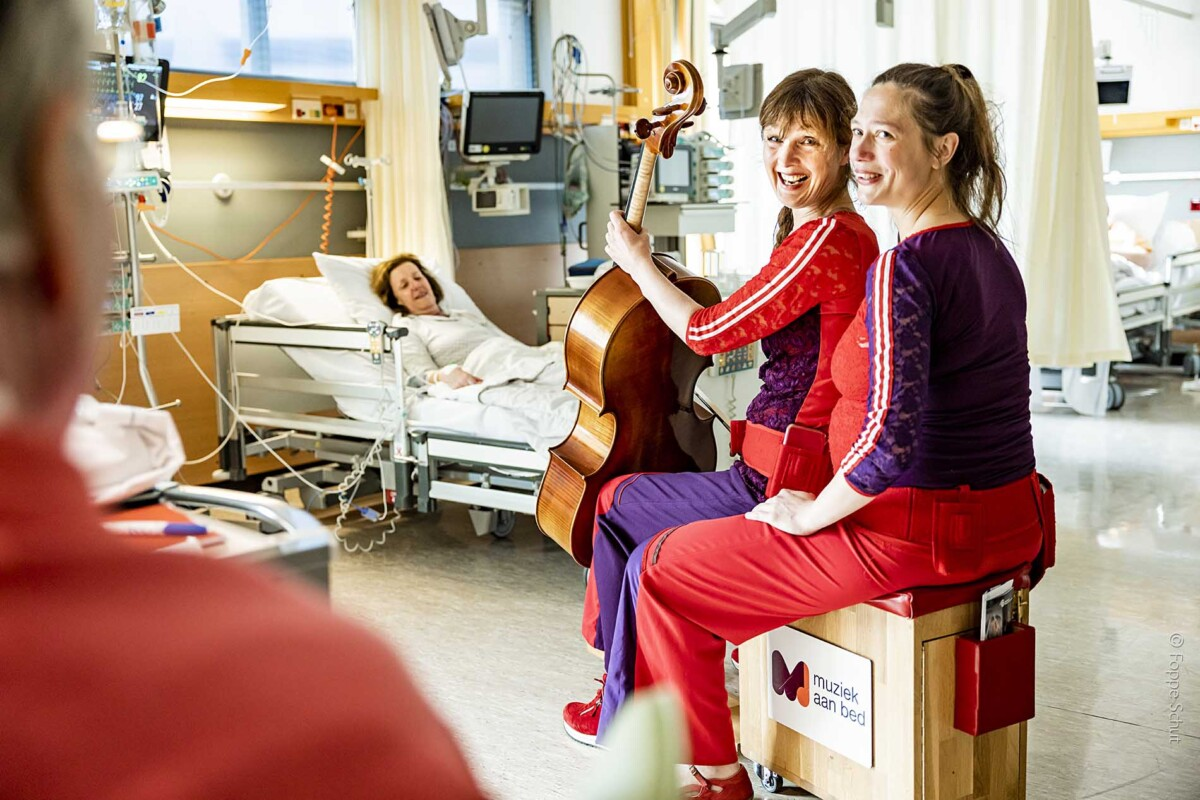
Outside the hospital
Music in health is also found in rehabilitation centers and hospices. For example, the organization Muziek aan Bed brings live music to people living with dementia in nursing homes through its Muziek aan tafel (Music at the Table) program, where everyone sings along, conducts, or moves. Professional Arts in Health organizations such as Mimic and Embrace Nederland encourage music-making in institutions as well as in private homes. Embrace Nederland also works to build social cohesion in the social domain, for example, with its "Slagkracht" project. Both Embrace Nederland and Mimic provide workshops for healthcare professionals and informal caregivers, teaching them to incorporate music into their daily interactions with patients and families.

What the science says
There is evidence that music contributes to recovery from illness, reducing pain, stress, anxiety, and depression. There are even indications that music can positively influence the immune system's responses.
In private homes, music in health professionals provide real support for people living with neurological conditions such as stroke, Parkinson's disease, or dementia.
Music appears to have positive effects on people with neurological disorders, activating the areas of the brain involved in thinking, feeling, movement, and emotion.
Research suggests that music can be a powerful tool to support the wellbeing of healthcare professionals and informal caregivers, by encouraging relaxation, building social connection, and helping staff to reflect on their work in new ways.
A study by Mimic suggests that music leads to stronger, positive contacts between patients and nurses, as well as an increase in compassion in nurses.
Professors Dick Swaab and Erik Scherder gave a lecture on Music and the Brain, which beautifully explains the positive health effects of music.
Organizations in the Netherlands in the field of Music in Health
There are many more organizations offering music in health services in hospitals, long-term care, and the social domain. Below is an overview:
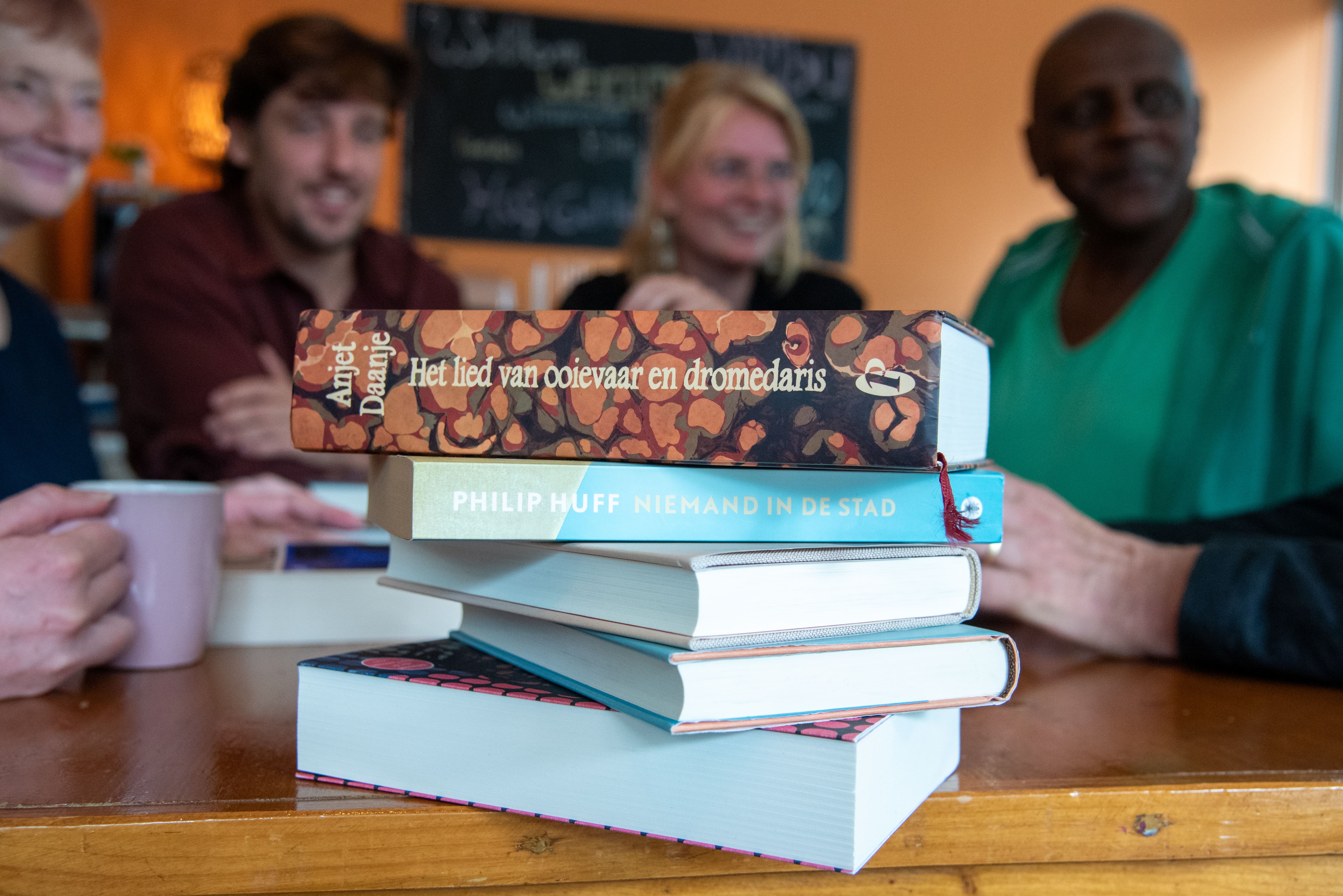
On community: “The group in Korrewegwijk reflects the city: diverse, multilingual and constantly changing. Participants vary in age and background, and bring different relationships to reading and language. Differences are present and openly discussed. Questions raised by the literature — such as where someone really comes from — often open up conversations in which multiple viewpoints exist alongside one another.”
On safe space: “Among the participants there is a willingness to go beyond the surface. When one member speaks openly, others follow. Through small, attentive gestures — sharing tea, listening without interruption — a safe space develops where personal stories can be told.”
On connection: “Meeting on Tuesday evenings, the group is a place for people to pause together. People come looking for calm and connection. Together, we use literature and poetry to help focus our attention, and to support moments of genuine encounter.”
On common interests: “Noordlaren has many overlapping networks. Buur & Boek has added another one: a group of people who connect through their common interest in stories and poems, and their curiosity and willingness to explore together.”
On engagement: “Many of the participants already know one another, but reading and discussing stories and poems creates a new kind of closeness. This closeness is valuable, and at the same time the atmosphere must also remain open and light. People feel involved in the practical aspects of the project, and also in the content, so they stay engaged.”
On shared experience: “In this group, literature is a shared experience for us. Stories and personal reflections continue to emerge and surprise all of us—including me, as the facilitator.”
.png)
On everyday life: “We have a small group of very committed readers who meet regularly. Ages range from early thirties to late seventies. Short stories and poetry provided the starting point for this group, but our conversations now move easily between discussing literature and everyday life.”
On sharing: “Over time, our relationships have deepened. Participants begin to share more of themselves, they exchange books, they offer reading suggestions to each other. Some of our members have started writing, which they share with the group.”
On care: “After a few meetings, you can see a sense of care emerging in the group. Through shared attention and working together, the group has developed a kind of togetherness, and it becomes more meaningful the more we read and reflect together.”.
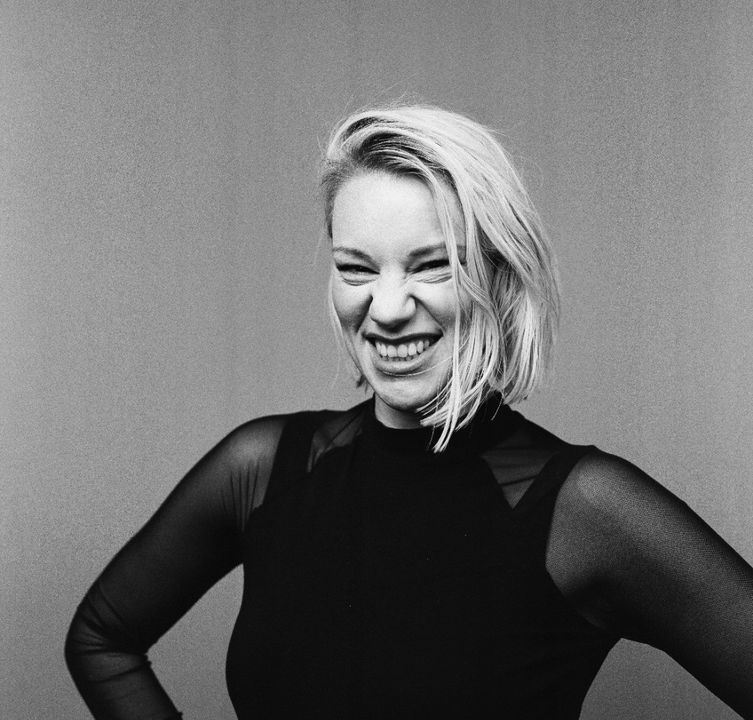
On knowing each other: “Many of the participants in the Finsterwolde group have known each other for years. The group is warm, and also has a certain reserve. Personal sharing unfolds slowly, and humour is important in this group, and laughter is common.”
On vulnerability: “Vulnerability is not something we aim for in the group, but rather the point is being together and sharing. Trust is more felt than spoken in the group, it is in the atmosphere, and in all the ways they are patient, attentive and appreciative of each other.”
On the unexpected: “Unexpected moments arise: someone shares a poem, or two married people discover they have both started writing, but without the other realising it. These wonderful moments are met with caring and gradually more space opens for writing and sharing, guided by the rhythm of the group.”
%20copy%202.png)
.png)
“At first, the hospital felt like an overwhelming maze. I began by observing, getting to know staff, and finding moments for art breaks. Some weren’t keen to make art yet I soon felt welcome, especially among the doctors, whose openness encouraged collaboration. Working with healthcare staff felt like finding a missing puzzle piece, connecting my artistic practice with my background in a family of care workers. I translated my experiences into poems and visual works, discovering parallels between art and care, such as precision, repetition, and dedication. Together we created by drawing lines without looking, pulling threads, cutting, gluing, and reflecting on how the past, present, and future meet in care”
“At the start of the project, I shadowed different people from the HPB department, from observing liver transplants to joining nurses in their patient meetings. I quickly learned how flexible everyone had to be with their time and decided to claim ten minutes in the weekly team meetings for my own artistic moments, which I called Emma’s Dilemmas. Finding time and space for art wasn’t always easy, and in the beginning, I sometimes felt unnecessary among people with “real” jobs. But as I grew closer to the team, I felt more at ease. Watching a liver transplantation struck me as an artwork in itself, the precision, rhythm, and silent collaboration between surgeons almost felt like a choreography. Seeing everyone create blackout poems together was one of the highlights of the project. In those moments, I noticed small signs of connection and vulnerability as people revealed something of themselves beyond their professional roles.”
%20copy.png)
“Chaplains occupy a unique position in the hospital: one of great freedom and of deep attentiveness to the humanity of each patient. Initially, I had expected to accompany them during patient visits, but for privacy reasons that wasn’t possible. This felt limiting at first but then became a source of inspiration. I realized that their work often goes unnoticed within the hospital structure, they are literally and figuratively invisible. Once, I even went on a small quest through the hospital to find their workspace, only to discover that few people knew where it was. That invisibility became central to the project: how could we make their work visible and tangible? We are now creating an artistic representation of the safe space they build with patients—a space where everything can be said and nothing has to be solved. I’ve come to feel at home within the hospital, part of a team whose quiet presence spreads like ink in water”
.jpg)
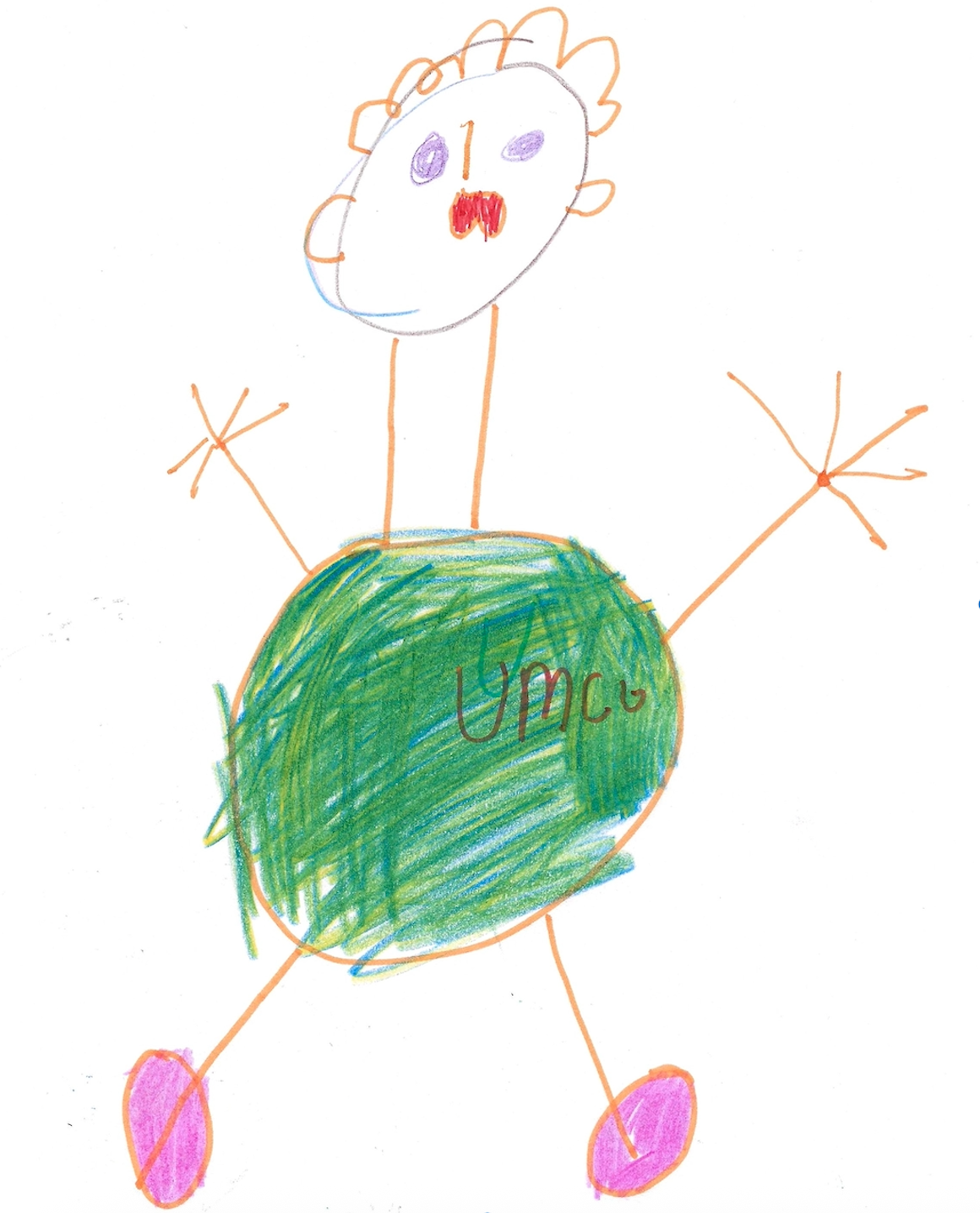
“I began by shadowing nurses, physicians, and palliative care professionals to understand their workload, rhythms, and perspectives on care. This helped me shape an arts-based project that would not interfere with their routines and could unfold through their own initiative. My aim was to bring a sense of playfulness and enjoyment into their busy workday. What truly struck me was how strict many staff members were about their own creativity. So in the first activity, I invited them to draw themselves, or a colleague, as a child might: using bright colours and imagination, creating space for art that did not need to be ‘perfect’. The drawings that emerged were surprising and full of play. This activity also sparked curiosity about how patients perceive their caregivers. That led to a second assignment in which staff asked patients to draw them. I was often present during these drawing moments, and it was moving to see how such a simple request created moments of connection, distraction, and joy. It encouraged caregivers to sit with patients without a medical reason, and to experience a shift in roles by becoming the ones observed.”
“In the communications department, I’ve been exploring how creativity can ease work pressure without disrupting daily routines. We found that short, pre-planned creative sessions worked best. At first, many employees were hesitant, saying things like “I can’t do this,” but by the end of the sessions, their attitudes often shifted completely. These workshops became moments of connection, and word soon spread that they were fun, relaxing, and a great way to meet colleagues from other teams within the same department. Often staff felt too busy or didn’t see the value at first, but over time, curiosity drew more people in. The process took patience as I was keen on letting it happen organically. For me, the conversations during the workshops were the most powerful aspect. People felt safe enough to open up, not only about work, but also about personal things. And for me as an artist, it was deeply rewarding to see participants surprise themselves with their own creativity.”
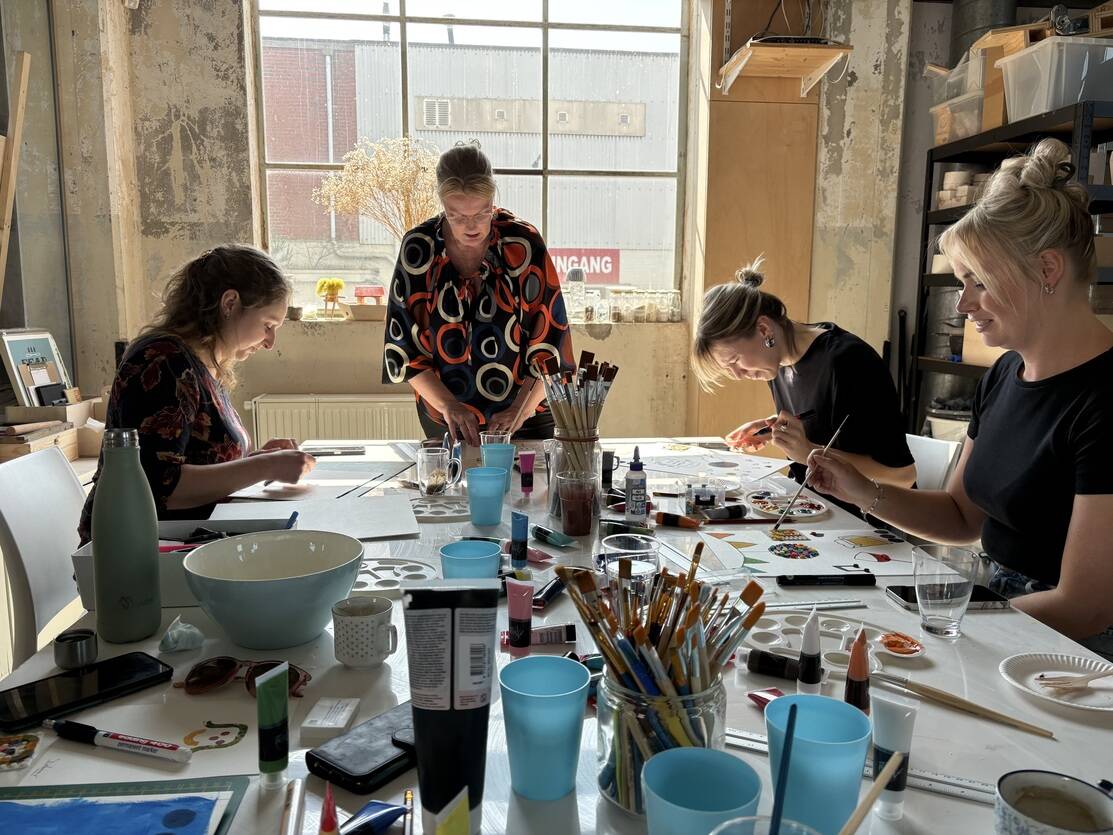
KoffieCo | Koffie bij de coassistent is de podcast voor en door studenten Medische Wetenschappen van het UMC Utrecht.
Gewapend met een kop koffie gaan coassistenten Tessa, Tiara en Doris het hele land door om artsen te interviewen. In deze aflevering gaan ze in gesprek met Daphne Voormolen, foetaal geneeskundige en groot kunstliefhebber, over de door haar zelf opgezette Stichting Kunst Salon en haar boodschap over hoe waardevol het is om de link te leggen tussen gezondheidszorg en de culturele sector en kunst in te zetten voor het medisch onderwijs, behandeling en gezondheid en welzijn in het algemeen.
Aflevering 127: Kunst in de zorg

Podcastserie Amsterdam UMC | Waarom kunst in het ziekenhuis?
9 afleveringen
Waarom raakt een kunstwerk je als je in het ziekenhuis bent, kan een gedicht je tot tranen roeren, troost muziek of roept een verhaal fijne herinneringen op? Word je een betere dokter als je naar kunst kijkt? Waarom wil een kunstenaar graag een werk voor het ziekenhuis maken? En waarom betrekken wetenschappers kunst in hun onderzoek? Ook na een lange loopbaan als curator in het Amsterdam UMC kon Sabrina Kamstra lang niet al die vragen zelf beantwoorden. Daarom vroeg ze patiënten, kunstenaars, curatoren, artsen, wetenschappers en studenten te reageren vanuit hun eigen invalshoek en achtergrond. Dit monde uit in het boek Waarom kunst in het ziekenhuis? met essays van verschillende auteurs en hun reflecties in de gelijknamige podcastserie.
In deze podcastserie komen patiënten, medewerkers, bezoekers en kunstenaars aan het woord. De geselecteerde kunstenaars hebben allen in opdracht een werk voor het Amsterdam UMC gemaakt.
Luister via
Spotify
Apple podcasts
Springcast
.webp)
London Arts and Health | 6 episodes on social prescribing
The series from London Arts and Health uncovers arts in health practices across the city of London, speaking to practitioners, funders, artists and participants about how they are working and benefitting from arts and health. The podcast has been created to celebrate the launch of the Arts and Culture: Social Prescribing Myth Buster. The myth buster aims to help everyone understand the role of arts and culture in social prescribing.
Listen via
Spotify
Apple podcasts

The Arts for the Health of it podcast features more than 90 episodes.
Why do humans turn to the arts in times of crisis? How do the arts impact our health and well-being? What role do the arts play in the future of society?
Hosts Catherine Particini and Andrea Sanderson (VOCAB) help you integrate the arts into everyday health and wellness practices through information, tips, how-to’s, and expert-led interviews on the subject.
The show explores the role of the arts in society, with special attention to the function of the arts in wellbeing. In one episode you might hear a lighthearted discussion about the health benefits of laughter; another introduces you to a local programme that brings artists together for community projects. Especially if you want to learn more about projects in America, or you are interested in the workings of ‘arts on prescription’ programmes for instance, then this show is for you!
Listen via
Spotify

Creative Health Stories | 20 episodes
This series conveys what ‘creative health’ means to different people and in different contexts; how creativity helps to keep us well at a general, preventative level and how it supports chronic and long term health conditions. It highlights creative practices – professional, amateur and those we can do at home – which are helping to keep us well, and what needs to happen so that creativity, the arts and culture are more widely accessible.
This podcast series consists of interviews with professionals and scholars about their arts in health projects, findings, and experiences. The series also takes on the larger policy and ethical issues of arts in health, for example during the July 2024 episode in which Sir Michael Marmot was interviewed. Sir Michael discussed his work on the social determinants of health, and explains his argument that health equality requires creativity be available to everyone.
Listen to the podcast series
.webp)
Kunststof aflevering - NTR - NPO Radio 1
Neuroloog en expert op het gebied van de ziekte van Parkinson, Bas Bloem, gaat in gesprek met hoogleraar ouderenparticipatie, Tineke Abma, over de heilzame werking van kunst op onze gezondheid. Het onderzoek naar kunst-als-medicijn heeft de laatste jaren een enorme boost gekregen. Nu is het volgens Abma tijd om kunst een veel grotere plek toe te kennen in de medische opleiding, in de spreekkamer en in zorginstellingen. Maar hoe?
Kunststof aflevering

Do arts interventions and creative engagement really make a difference in our lives and our brains? Recently, Susan Magsamen, the author of Your Brain on Art: How the Arts Transform Us, and Director of The International Arts and Mind Lab at John Hopkins University School of Medicine, was interviewed to discuss this exact question.
Listen via
This episode of When Science Finds a Way explores the science behind the arts as a tool for wellbeing, from research on singing to lived stories of healing and empowerment. In 40 minutes, we hear from leading scholar Daisy Fancourt, from a mother who participated in Breathe Melodies for Mums, and from the ever-inspiring artist Kunle Adewale.
Listen via
In this documentary, healthcare professionals, artists, researchers and organisations share how the arts contribute to health and wellbeing in practice. The film explores how Arts in Health brings together healthcare, wellbeing and culture at a local level.
More than thirty years of international research shows that the arts can contribute to health and wellbeing. It can help prevent illness, strengthen social connection and improve quality of life.
More information: Why arts in health matters

This short and informative video from the UK discusses several arts in health projects, and research about the relationship between singing and mental wellbeing. The video features the experience of people with Parkinson’s disease who are part of a project that brings them on museum visits. The video includes clips from a music and movement workshop for people with Parkinson’s. We see them singing and dancing, and exploring what they can do rather than what illness prevents them from doing.
In this TEDx talk, Jill Sonke explores the relationship between creativity and care. As a practitioner, and current Director of the Center for Arts in Medicine at the University of Florida, Sonke brings nearly three decades of experience to describing the impact of artistic expression on wellbeing. Using many engaging examples, she masterfully lays out the case for the introduction of the arts in healthcare. Dancing, live-music, and powerful anecdotes are followed up by straightforward summaries of the evidence for arts in health.
This BBC News report interviews a patient at the Bethlem Royal Hospital psychiatric institution, about the art collection made by patients. The interviewee explores how drawing helps the patient to express themselves, and even points the way toward the end of treatment. "What arts does is give somebody free reign just to go into themselves and say this is what's like for me".
The Bethlem Royal Hospital continues to use art-making activities and hosts its own art gallery now too. The art gallery connects professional artists with patients and patients with art.
One critique of arts in health research is that study sample sizes are too small, and so cannot represent a broader population. In this video, Daisy Fancourt, a leading scholar in the field, discusses her large-scale quantitative study of a range of effects of arts engagement on wellbeing. Her team’s longitudinal analysis of national data showed improved mental, physical and cognitive outcomes.