Thank you! Your submission has been received!
Oops! Something went wrong while submitting the form.
.png)
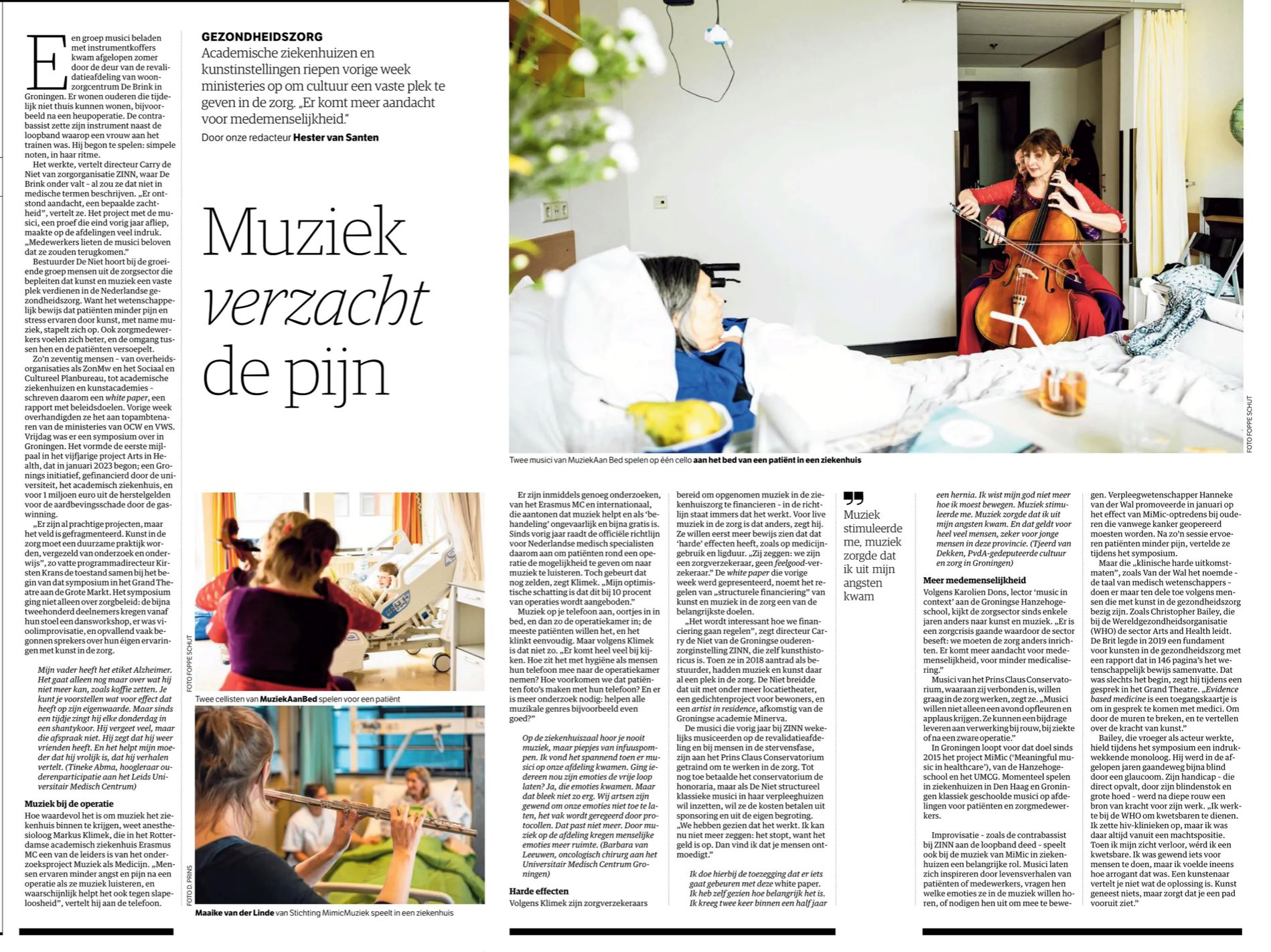
Curious about what books are out there in the field of arts in health? Below is a short list of popular and academic books to get you started. These introduce the research, practice, and inspiration for Arts in Health, from authors around the world — from designing interventions to understanding how creativity supports wellbeing. Whether you’re an artist, researcher, healthcare professional, or simply curious about how art and care intersect, these books invite you to explore, learn, and connect. If you have any suggestions for books that should definitely be included, please let us know!
In her latest book Daisy Fancourt, presents the latest scientific evidence on how the arts and creativity contribute to health and wellbeing. It explores how engagement with the arts can support mental and physical health outcomes across different clinical contexts, and highlights global challenges faced by the arts sector. Art Cure invites readers to reconsider the role of the arts, not as a luxury, but as an essential part of individual and societal wellbeing.
In I Heard There Was a Secret Chord, neuroscientist and best-selling author Daniel J. Levitin explores the powerful relationship between music and healing, inviting readers to see music not only as art, but also as a form of care. Levitin draws on research from neuroscience and music therapy, arguing for how music can ease suffering, promote recovery, and calm the mind. The book connects scientific findings with stories of the experiences of musicians and patients, illustrating how rhythm and sound support mental and physical health. A fascinating read for anyone interested in the science and art of music as medicine.
Your Brain on Art explores the emerging field of NeuroArts—the study of how the arts and aesthetic experiences can change the body, brain, and behaviour. The authors show how creativity affects our biology and emotions, supporting health, wellbeing, and learning. Through stories from artists and scientists, this book invites readers to see the arts not as a luxury, but as an essential part of being human. Learn more at yourbrainonart.com.
Authored by one of the leading academics in the field, Designing and Researching Interventions provides a great introduction to the history, research, and practice of Arts in Health. Whether you are building an Arts in Health program, developing a research design, or want to understand the meaning of quality in this field, Designing and Researching Interventions will be a useful guide.
Arts, Health and Wellbeing, offers many useful descriptions and examples from the field of arts in health. The book covers topics such as arts on prescription and music therapy, for example, exploring their application in both hospital and community settings. If you are a researcher, or a practitioner in the field, or simply looking to learn more about the growing dialogue around arts and health, this book could be a valuable resource.
Drawing on scientific research, conversations with experts, and her own personal experiences, Sanneke Langendoen explores how music can support health and wellbeing in everyday life. The book highlights growing evidence showing that music can help reduce stress, improve sleep, support recovery and grief, enhance creativity, and strengthen focus. Combining research with practical insights, Soundtrack voor een beter leven invites readers to use music more intentionally as a tool for resilience, balance, and wellbeing. An accessible read for anyone interested in the connection between music, health, and wellbeing.
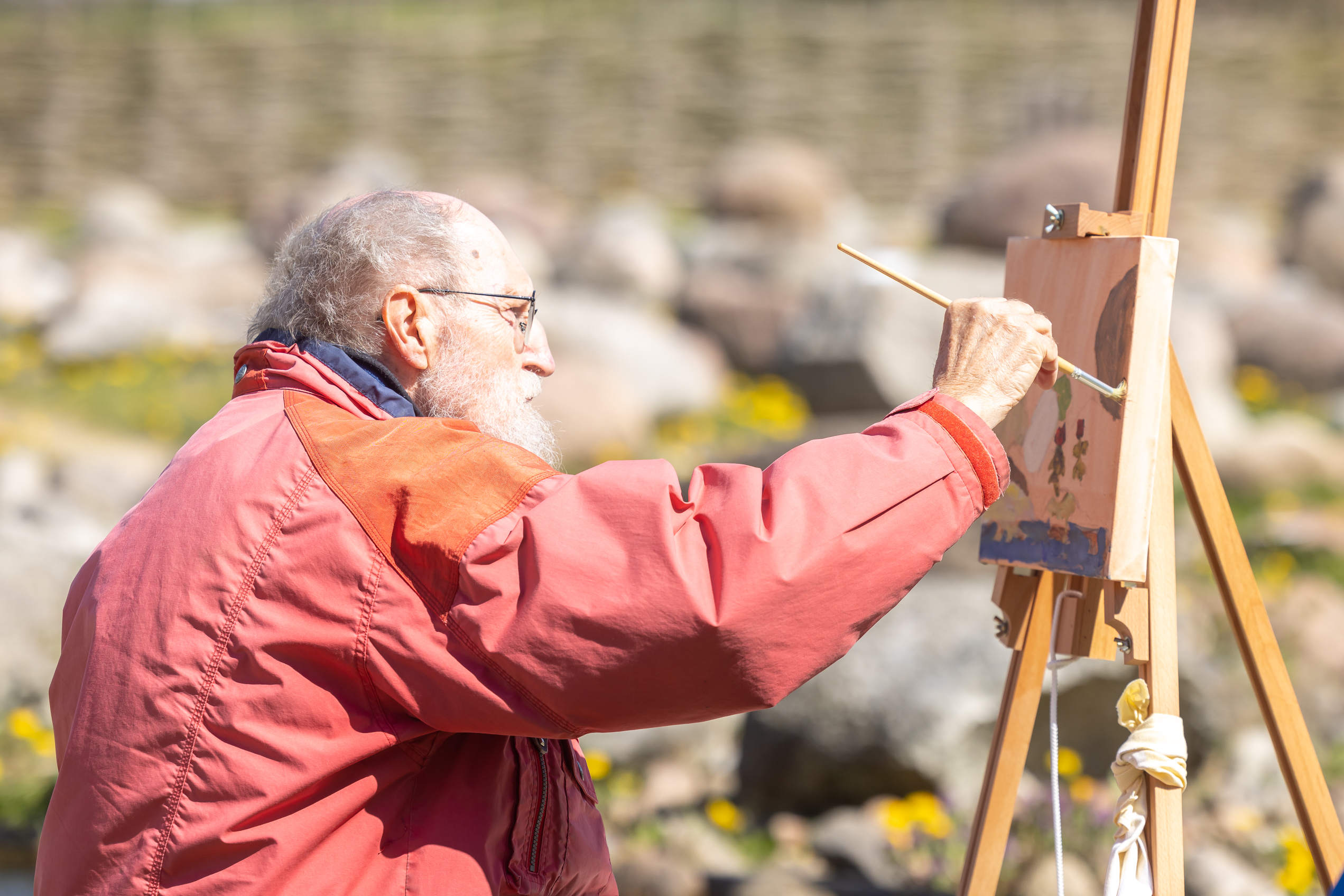
Stel je voor: je vader die langzaam vereenzaamt thuis. Geen acute ziekte, geen grote ingreep nodig, maar ook geen levenslust meer. De dagen worden stiller, het netwerk kleiner. Of je broer, die tussen wal en schip valt. Meerdere hulpverleners om hem heen, maar niemand die hem echt verder helpt. “Uiteindelijk zie je dat mensen steeds meer zorg nodig hebben,” zegt Ester van de Haar, directeur-bestuurder van Cultuur Oost.
En dan gebeurt er iets anders. Diezelfde mensen gaan schilderen, muziek maken, dansen. Niet als tijdverdrijf, maar als iets wat hun dag weer structuur geeft, hun wereld vergroot of hen opnieuw in contact brengt met anderen. “Dat is geen afleiding,” zegt Van de Haar. “Dat is waar iets begint te verschuiven in iemands leven.” Om dat zichtbaar te maken, is de campagne De kracht van Arts in Health gestart. Arts in Health brengt zorgprofessionals, kunstenaars, onderzoekers en beleidsmakers samen om kunst een vanzelfsprekende plek te geven in gezondheid en welzijn.
“Er zijn honderden praktijkvoorbeelden waarin kunst in de zorg bijdraagt,” vertelt Van de Haar. Van een patiënt die tijdens een operatie naar muziek luistert en minder pijnstilling nodig heeft tot een jongere die via muziek of cultuur weer een doel vindt en opnieuw aansluiting krijgt bij anderen. "Overal in Nederland gebeurt het al: in ziekenhuizen, in wijken en in verpleeghuizen. Internationaal en nationaal onderzoek onderbouwt de effecten.”
“Het punt is alleen dat al die voorbeelden projecten zijn, en nog geen onderdeel van hoe we onze zorg- en cultuursector hebben ingericht,” zegt Van de Haar. "De investering komt uit cultuurbudgetten, maar de kostenreductie landt in de zorg. Als we dat beter verbinden, kunnen we veel meer bereiken."
“Stel je voor dat een jongere een andere afslag neemt,” zegt Van de Haar. “Of een zorgmedewerker die ziet dat patiënten elkaar opzoeken in plaats van hem. Dat is wat kunst kan doen.”
Al die voorbeelden verdienen een groter podium én een stevigere basis om op verder te bouwen. Daarom is er De Kracht van Arts in Health: een campagne met verhalen uit de praktijk, onderzoek dat de effecten onderbouwt, en vanaf 19 mei 2026 een documentaire die laat zien wat er verandert als kunst en zorg samenkomen, ook financieel.
“Elke euro die je investeert in kunst en cultuur in de zorg, verdien je terug via minder zorggebruik, minder druk op professionals en minder inzet van zwaardere trajecten,” zegt Van de Haar. “Dat is de kracht van Arts in Health.”
Arts in health-onderwijs is volop in ontwikkeling in Nederland. De vraag groeit.
Daarnaast zijn er online cursussen van onder meer University College London, King’s College London en de Royal Society for Public Health.
Het consortium Creating Cultures of Care brengt in kaart welke opleidingen er al zijn en wat nog ontbreekt.
Hbo- en wo-opleidingen ontwikkelen steeds meer modules en minoren in arts in health. Die zijn onder meer te vinden binnen beeldende kunst, zorgethiek, verpleegkunde, geestelijke verzorging en de medische geesteswetenschappen.
Arts in health vraagt om mensen die zich bewegen tussen twee werelden. Je hoeft niet alles te weten, maar je bent nieuwsgierig naar beide werelden.
Wil je arts in health studeren?
Kijk welke opleidingen aansluiten bij zorg, kunst of welzijn. Denk aan verpleegkunde, kunstopleidingen of sociale studies. Van daaruit kun je je verder verdiepen in arts in health.
Geef je les of ontwikkel je een opleiding?
Arts in health is interdisciplinair en vraagt om samenwerking tussen kunst- en zorgopleidingen. Help studenten leren hoe ze veilig werken met kwetsbare mensen, en besteed vanaf het begin aandacht aan zelfzorg.
Wil je bijdragen aan de ontwikkeling van arts in health-onderwijs in Nederland? Binnenkort kun je je aansluiten bij de alliantie. Schrijf je in voor de nieuwsbrief om op de hoogte te blijven.
Arts in health wordt onderzocht vanuit verschillende wetenschappelijke tradities.
In de levenswetenschappen gaat het om wat kunst doet voor gezondheid. Bijvoorbeeld wat livemuziek betekent voor een patiënt die herstelt van een operatie, of wat creatieve beweging kan betekenen voor iemand met dementie.
In de sociale wetenschappen gaat het om wat kunst in de zorg betekent in het dagelijks leven van mensen. Hoe beïnvloedt een gezamenlijk museumbezoek de manier waarop iemand met chronische pijn die pijn ervaart? Wat betekent meedoen aan een koor voor mensen met dementie, en voor de mensen die voor hen zorgen?
In de geesteswetenschappen ligt de nadruk op reflectie en betekenis. Denk aan de rol van de kunstenaar in de zorg, vragen rond ethiek en esthetiek, en wat het betekent om kunst te maken als je ziek bent of voor iemand zorgt.
In de levenswetenschappen gaat het vaak over wat kunst doet voor gezondheid. Denk aan onderzoek naar de invloed van livemuziek op ziekenhuispatiënten of naar wat creatieve beweging kan betekenen voor mensen met dementie. Dit soort studies vindt meestal plaats in medische contexten, met empirische data en in gecontroleerde of semi-gecontroleerde situaties.
De sociale wetenschappen kijken vaker naar bredere maatschappelijke vragen. Helpt een museumbezoek bijvoorbeeld om pijn anders te ervaren bij mensen met chronische klachten? En welke rol speelt sociale cohesie in welzijn? Ook onderwerpen zoals burn-out bij mantelzorgers komen hier aan bod.
In de geesteswetenschappen verschuift de focus naar reflectie en duiding. Hier gaat het bijvoorbeeld over publieksdeelname, de rol van de kunstenaar in de zorg en vragen rond zorgethiek en zorg-esthetiek. Ook kunsthistorische perspectieven op medische geschiedenis maken hier deel van uit.
In 2024 werd aan de Erasmus School of Health Policy & Management een leerstoel arts in health ingesteld, gefinancierd door zorgorganisatie Cordaan en het Museum van de Geest. Later dat jaar volgde een tweede leerstoel aan de Erasmus School of History, Culture and Communication, gericht op Arts & Wellbeing.
Onderzoekers in Nederland werken aan een nationale onderzoeksagenda voor de komende tien jaar. De vragen die daarin richting geven: hoe kunnen programma’s blijven bestaan na een eerste projectfase? Hoe maak je effecten zichtbaar? En wat betekent arts in health voor zorgprofessionals en het medisch onderwijs?
Onderzoek in dit veld wordt onder meer ondersteund door ZonMw, het SPRONG Creating Cultures of Care-project, het Fonds voor Cultuurparticipatie, Lang Leve Kunst en Welzijn op Recept.
Werk je als onderzoeker? Sluit aan bij wat er al gebeurt, binnen én buiten je eigen vakgebied. Waar kan jouw expertise een bestaande vraag verder brengen, of juist een nieuwe vraag openen? Samenwerking tussen disciplines, en tussen onderzoek en praktijk, zorgt voor een rijkere en meer samenhangende kennisbasis.
Er wordt internationaal veel gepubliceerd over arts in health. Deze bronnen helpen je om het veld verder te verkennen:
Wil je bijdragen aan de ontwikkeling van arts in health-onderzoek in Nederland? Binnenkort kun je je aansluiten bij de alliantie. Schrijf je in voor de nieuwsbrief om op de hoogte te blijven.
Arts in health krijgt in de praktijk verschillende vormen.
Samen laten deze vormen zien hoe breed de doelen van arts in health zijn: van sociale verbinding en zingeving tot therapie en herstel.
In de langdurige zorg krijgen steeds meer kunstvormen een plek in het dagelijks leven van bewoners. In Amsterdam brengt het Ambulant Kunstteam van Cordaan kunstenaars de wijk in, waar zij samen met bewoners kunst maken.
Arts in health Groningen werkt met pilotprojecten aan een vaste plek voor kunst in de zorg, bijvoorbeeld samen met het Universitair Medisch Centrum Groningen (UMCG) en via Buur & Boek van NOORDWOORD, waar literatuur mensen in de wijk samenbrengt. Ook in het Dijklander Ziekenhuis wordt muziek onderdeel van de dagelijkse zorg. Organisaties die hier al veel ervaring mee hebben, zijn LKCA en Movisie.
Deze initiatieven verschillen van vorm, maar hebben iets gemeen: ze maken ruimte voor contact, verbeelding en herstel.
Arts in health gebeurt vaak in losse projecten. Door zichtbaar te maken wat werkt en daarvan te leren, ontstaat er een praktijk die kan doorgroeien en blijven bestaan. De vraag is niet óf het werkt. De vraag is: wat kun jij hiermee in jouw praktijk?
Kijk waar kunst kan aansluiten op jullie dagelijkse praktijk. Begin klein, bijvoorbeeld met een pilot op een afdeling. Kijk wat het doet voor patiënten, cliënten of medewerkers en bouw van daaruit verder.
Verdiep je in de context waarin je werkt. Wat speelt er op een afdeling of in een wijk? Wat hebben mensen nodig? Werk samen met zorgprofessionals en zorg dat deelnemers zich veilig voelen.
Je hoeft niet vanaf nul te beginnen. Gebruik wat al bekend is en sluit aan op de praktijk waarin je werkt. Kies een vorm die past bij de mensen en de setting, en kijk wat het doet voor de deelnemers.
Wil je een actieve bijdrage leveren aan arts in health? Binnenkort is dat mogelijk door je aan te sluiten bij de alliantie. Schrijf je in voor onze nieuwsbrief om op de hoogte te blijven.
.jpg)
Buur & Boek was een pilot van NOORDWOORD en Arts in Health Groningen, waarin het plezier van samen lezen en creatief schrijven centraal stond. Van oktober 2025 tot en met maart 2026 kwamen bewoners uit verschillende wijken en dorpen in de provincie Groningen samen om te lezen, te schrijven, te praten en te reflecteren op korte verhalen, poëzie en romans. Deze bijeenkomsten vonden plaats in vijf lokale gemeenschappen, op vertrouwde en toegankelijke plekken in de buurt. De groepen kwamen tweewekelijks samen in de Korrewegwijk, Beijum, Finsterwolde, Noordlaren en Feerwerd, onder begeleiding van vier workshopleiders, die ieder een eigen achtergrond en werkwijze meebrachten binnen creatief lezen en schrijven.
Het project had als doel om lezen en schrijven in te zetten als middel om verbinding en aandacht binnen gemeenschappen te versterken, en om nieuwe groepen te laten ontstaan. Er was geen literaire ervaring of voorbereiding nodig om deel te nemen. Mensen met uiteenlopende achtergronden deden mee en ervaarden samen wat shared reading, creatief schrijven, aandachtig luisteren en reflectieve gesprekken kunnen betekenen.
Arts in Health Groningen faciliteerde een tweewekelijkse leergemeenschap ter ondersteuning van de workshopleiders en de projectcoördinator. Binnen deze leergemeenschap was ruimte voor uitwisseling, reflectie, gezamenlijke planning en waar nodig coaching. Ook werd wetenschappelijke literatuur besproken over de effecten van lezen en schrijven op gezondheid en welzijn, ter verdieping van de praktijk. Daarnaast was er aandacht voor zelfzorg en voor de ethische aspecten van community-based werken.
De bijeenkomsten van Buur & Boek creëerden ruimte voor ontmoeting op een andere manier. Lezen en schrijven vormden het vertrekpunt voor aandachtige gesprekken, vertraging en het delen van inspiratie. Gaandeweg ontstonden nieuwe sociale verbindingen of werden bestaande relaties verdiept. “We ontmoeten buurtgenoten om via literatuur en poëzie over het leven te spreken,” vertelt een van de workshopleiders. “We lezen en praten, en als mensen dat willen, maken we ook iets. Alles mag, niets hoeft.” Een andere workshopleider vult aan: “Het gaat er niet om dat iedereen hetzelfde vindt, maar dat je durft te spreken én te luisteren.”
De workshopleiders – Charlotte Beerda, Gemma Jissink, Lieke van den Krommenacker en Willemijn van de Walle – brachten ieder hun eigen ervaring mee op het gebied van literatuur, performance en community-based werk. Benieuwd wie zij zijn en hoe zij werken?
Aan het einde van de pilot kwamen de groepen samen tijdens vier mini-festivals in hun eigen gemeenschap, georganiseerd door de projectcoördinator van Buur & Boek. Tijdens deze mini-festivals deelden deelnemers en workshopleiders hun ervaringen en wat er in de tussentijd was ontstaan. Elk festival kreeg een eigen vorm, met activiteiten variërend van interviews met Nederlandse auteurs tot voordrachten in de open lucht, poëzie wandelingen en het schrijven van haiku’s in een koeienstal. Deze momenten boden ruimte om stil te staan bij de gesprekken, ervaringen en verbindingen die in de loop van de maanden zijn gegroeid.
Voor Arts in Health Groningen maakt Buur & Boek deel uit van een breder programma waarin kunst wordt ingezet om reflectie, dialoog en sociale verbondenheid te stimuleren, en daarmee bij te dragen aan welzijn. Door plekken te creëren waar mensen elkaar ontmoeten rond gedeelde nieuwsgierigheid en creativiteit, draagt Buur & Boek bij aan verbeeldingskracht en gemeenschapsgevoel in het dagelijks leven.
Deelname aan Buur & Boek was gratis. Het project liep van oktober 2025 tot en met maart 2026 en werd georganiseerd door NOORDWOORD in samenwerking met Arts in Health Groningen en lokale partners in de betrokken gemeenschappen. De pilot werd mede mogelijk gemaakt door het Nederlands Letterenfonds, VSBfonds, Fonds voor Cultuurparticipatie, Gemeente Groningen, Provincie Groningen, Aletta Jacobs School of Public Health, University of Groningen en het Nationaal Programma Groningen.

De effecten van lezen op welzijn worden al decennialang onderzocht binnen de geesteswetenschappen, sociale wetenschappen en gezondheidswetenschappen. Uit onderzoek blijkt dat lezen niet alleen ontspanning of kennis oplevert, maar ook bijdraagt aan psychisch en sociaal welzijn. Fictie lezen wordt vaak beschreven als een vorm van mentale simulatie, waarbij sociale cognitie, empathie en Theory of Mind worden aangesproken [1, 2]. Deze vaardigheden spelen een belangrijke rol in sociaal en psychologisch functioneren. Voor dergelijke effecten is het belangrijk dat lezers zich actief verhouden tot de tekst en reflecteren op wat zij lezen [3]. Vanuit deze inzichten worden shared reading-programma’s ingezet om eenzaamheid te verminderen, gesprekken op gang te brengen en het gevoel van verbondenheid te versterken, met name tussen mensen met verschillende achtergronden of van verschillende generaties [bijv. 4; 5].
Ook expressief en reflectief schrijven – zoals dagboeken, korte verhalen of brieven – blijkt positieve effecten te hebben op zowel mentale als lichamelijke gezondheid [6, 7, 8]. Er zijn aanwijzingen dat schrijven kan bijdragen aan het verminderen van depressieve klachten [9] en posttraumatische stresssymptomen [10], en dat het mensen helpt om met verlies en rouw om te gaan [11]. Daarbij is het essentieel dat schrijfsessies plaatsvinden in een veilige en vertrouwde omgeving [12].
Referenties

Interesse in duurzame Arts in Health programma's groeit in Nederland. Het toenemende aantal succesvolle Arts in Health projecten stimuleert bestuurders, financiers, overheden, onderzoekers en kunstenaars om de rol die kunst kan spelen in zorg en ziektepreventie te onderzoeken.
Arts in Health Nederland heeft een whitepaper geïnitieerd om de huidige situatie in kaart te brengen en de agenda voor de toekomst te bepalen. De whitepaper gaat in op de structuren die in Nederland nodig zijn om Arts in Health programmering systematisch te ondersteunen, mensen op te leiden en om onderzoek en beleidsvorming te stimuleren. De white paper is een eerste stap op weg naar een duurzaam veld van Arts in Health.
De whitepaper:

Arts in Health Nederland stelde een stuurgroep samen van koplopers in het veld, waaronder vertegenwoordigers van de Rijksuniversiteit Groningen, Leyden Academy on Vitality and Ageing, Universitair Medisch Centrum Groningen, Vrije Universiteit Amsterdam en Landelijk Kennisinstituut Cultuureducatie en Amateurkunst (LKCA).
Om bekendheid te geven aan het initiatief en een breder netwerk van partners erbij te betrekken, organiseerde de stuurgroep in oktober 2022 een startbijeenkomst op het ministerie van Volksgezondheid, Welzijn en Sport (VWS).
Het eerste concept van de white paper werd opgesteld door de stuurgroep en co-auteurs. Dat concept diende als uitgangspunt voor reflectie en discussie met een breder nationaal netwerk in drie rondetafelsessies in verschillende delen van het land. Bij elke rondetafel droegen deelnemers bij aan discussies en brainstormsessies over de praktijk, het onderwijs, het onderzoek en het beleid van Arts in Health.
Deelnemers waren onder meer zorgprofessionals, kunstenaars, onderzoekers, beleidsmakers, managers, docenten, praktijkmensen, ervaringsdeskundigen en bestuurders, die met elkaar bespraken hoe Arts in Health een duurzaam veld kan worden in Nederland. De rondetafelgesprekken werden in juni en juli 2023 georganiseerd i.s.m. Leyden Academy, Kunstloc Brabant en Universitair Medisch Centrum Groningen.
Elk van de drie rondetafelgesprekken richtte zich op een ander domein: ziekenhuiszorg, langdurige zorg en het sociale domein. Voor impressies van de rondetafelgesprekken kunt u de samenvattingen lezen:
Meer dan 200 mensen hebben bijgedragen aan de uiteindelijke versie van het whitepaper. De publicatie is ontworpen door het ontwerpbureau JUST, dat ook de Arts in Health Netherlands identiteit en website ontwierp. De whitepaper is uitgegeven door de Rijksuniversiteit Groningen Pers, en publiekelijk gelanceerd tijdens het evenement Care through Creativity in het Grand Theatre in Groningen op 16 februari 2024. Dat feestelijke evenement bestond uit presentaties, optredens en inspirerende voorbeelden uit praktijk en onderzoek. De NRC schreef een artikel over het evenement.

Tijdens Care Through Creativity werd het whitepaper officieel overhandigd door de WHO Arts in Health Lead, Christopher Bailey, aan de wethouder van de provincie Groningen die verantwoordelijk is voor Kunst & Cultuur en Gezondheid & Welzijn. Tijdens een preview evenement in Den Haag werd het whitepaper overhandigd aan de directeur-generaal curatieve zorg van het ministerie van Volksgezondheid, Welzijn en Sport (VWS) en de directeur Erfgoed & Kunst van het ministerie van Onderwijs, Cultuur en Wetenschap (OCW).

De whitepaper Arts in health in Nederland: een nationale agenda is open access gepubliceerd door de University of Groningen Press, zowel in het Nederlands als Engels.
Arts in Health Netherlands, een landelijk netwerk van partners, heeft de krachten gebundeld om kunst en cultuur structureel te integreren in de Nederlandse zorg- en welzijnssector. Onderzoek toont aan dat kunstparticipatie positieve gevolgen heeft voor de gezondheid, zoals beter welzijn, minder medicatiegebruik en langere zelfredzaamheid bij ouderen. Dankzij een subsidie van het Ministerie van Onderwijs, Cultuur en Wetenschap kan het netwerk starten met het realiseren van de ambities uit het whitepaper Arts in Health in Nederland: Een nationale agenda.
"Dit is waar we jaren naar hebben toegewerkt," aldus Kirsten Krans, een van de initiatiefnemers van Arts in Health Netherlands. "Het is fantastisch om samen de volgende stap te zetten om kunst en cultuur structureel te integreren in onze gezondheidszorg”. De nationale agenda van Arts in Health Netherlands sluit aan bij de transitie van zorg naar gezondheid, waar de aandacht ligt op persoonsgerichte zorg en positieve gezondheid.
Het landelijke netwerk brengt een unieke coalitie samen van organisaties uit zorg, welzijn, kunst & cultuur, onderwijs en onderzoek. Vertegenwoordigers van onder andere Kunsten '92, Universitair Medisch Centrum Groningen, Codarts, Erasmus Universiteit Rotterdam, Landelijk Kenniscentrum Cultuureducatie en Amateurkunst (LKCA), AxionContinu, Kunstloc Brabant, ROC Amsterdam, Gemeente Tilburg, Vilans, Cultuur Oost, Raad van Twaalf, Rijksuniversiteit Groningen, Vrije Universiteit Amsterdam, Hogeschool van Amsterdam en de Aletta Jacobs School of Public Health werken samen om dit veld te verder te ontwikkelen.
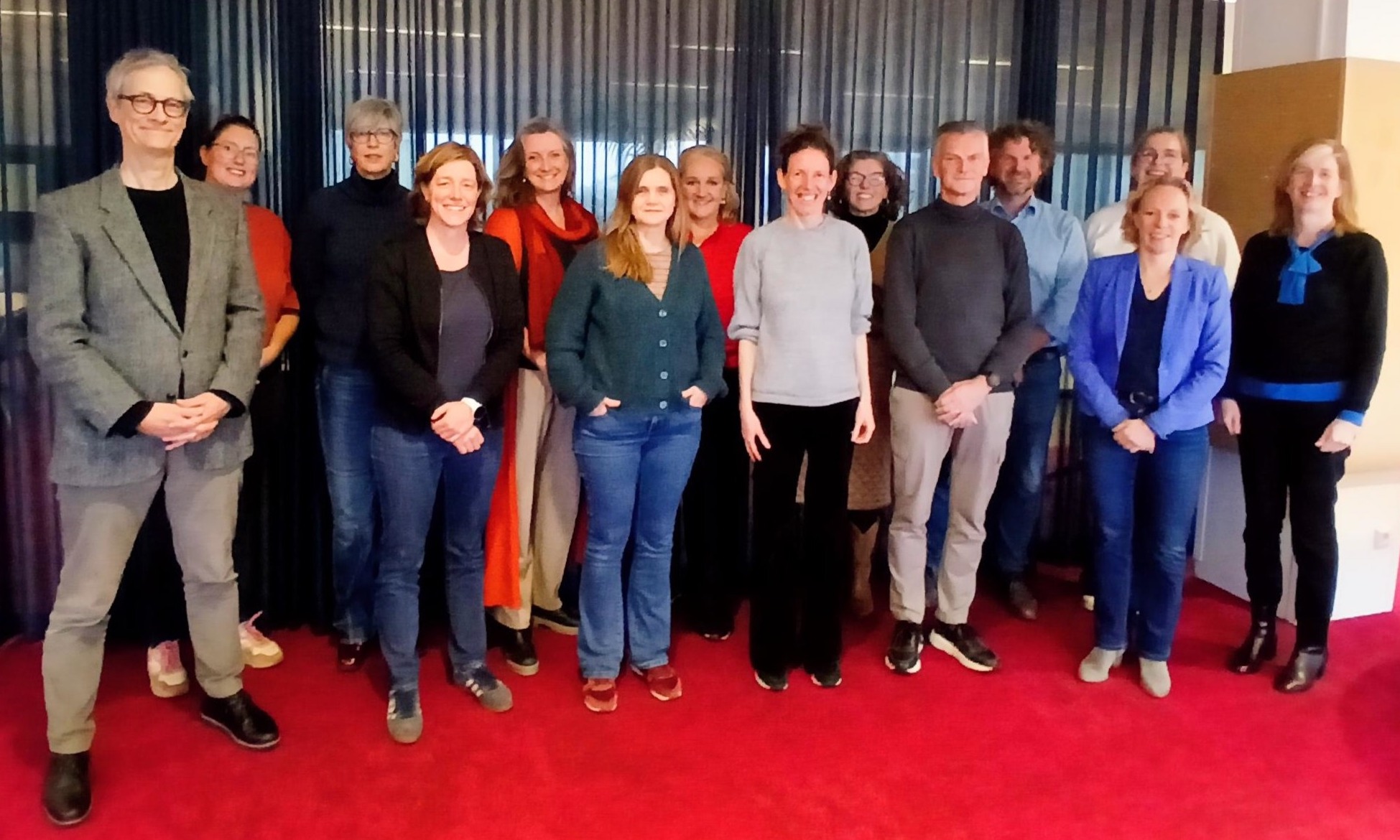
Tijdens een landelijke lanceringsbijeenkomst op 28 november 2025 lag de focus op het ontwikkelen van een gedeelde visie voor de toekomst van het veld. De diverse groep van betrokken experts – van zorgprofessionals en kunstenaars tot onderzoekers en beleidsmakers – richt zich op ‘vier pijlers’ om het veld te ondersteunen: beleid, praktijk, onderwijs en onderzoek.
De betrokken experts benadrukten met name de noodzaak van intersectorale samenwerking tussen gezondheidszorg en cultuur. Terwijl het zorgdomein zich steeds meer richt op mensgerichte en compassievolle zorg, pleit het cultuurdomein voor een nieuwe maatschappelijke relevantie van de kunsten. Arts in Health Netherlands versterkt beide domeinen en helpt bruggen te bouwen tussen beide.
Het langetermijndoel van het netwerk is om kunst op een duurzame manier te integreren in ons nationale gezondheidszorgsysteem. Om dit te bereiken zijn vier werkpakketten ontwikkeld, die elk een van de vier doelstellingen van de nationale agenda (beleid, praktijk, onderwijs en onderzoek) aanpakken. De komende maanden gaan de vier werkpakketten actief aan de slag. Van het opzetten van een nationaal kennisplatform en het definiëren van professionele competenties tot het formuleren van beleid en het opstellen van een nationale onderzoeksagenda voor het veld.
Organisaties die geïnteresseerd zijn in Arts in Health netwerk en willen aansluiten, kunnen contact opnemen via: info@artsinhealth.nl
KoffieCo | Koffie bij de coassistent is de podcast voor en door studenten Medische Wetenschappen van het UMC Utrecht.
Gewapend met een kop koffie gaan coassistenten Tessa, Tiara en Doris het hele land door om artsen te interviewen. In deze aflevering gaan ze in gesprek met Daphne Voormolen, foetaal geneeskundige en groot kunstliefhebber, over de door haar zelf opgezette Stichting Kunst Salon en haar boodschap over hoe waardevol het is om de link te leggen tussen gezondheidszorg en de culturele sector en kunst in te zetten voor het medisch onderwijs, behandeling en gezondheid en welzijn in het algemeen.
Aflevering 127: Kunst in de zorg

Podcastserie Amsterdam UMC | Waarom kunst in het ziekenhuis?
9 afleveringen
Waarom raakt een kunstwerk je als je in het ziekenhuis bent, kan een gedicht je tot tranen roeren, troost muziek of roept een verhaal fijne herinneringen op? Word je een betere dokter als je naar kunst kijkt? Waarom wil een kunstenaar graag een werk voor het ziekenhuis maken? En waarom betrekken wetenschappers kunst in hun onderzoek? Ook na een lange loopbaan als curator in het Amsterdam UMC kon Sabrina Kamstra lang niet al die vragen zelf beantwoorden. Daarom vroeg ze patiënten, kunstenaars, curatoren, artsen, wetenschappers en studenten te reageren vanuit hun eigen invalshoek en achtergrond. Dit monde uit in het boek Waarom kunst in het ziekenhuis? met essays van verschillende auteurs en hun reflecties in de gelijknamige podcastserie.
In deze podcastserie komen patiënten, medewerkers, bezoekers en kunstenaars aan het woord. De geselecteerde kunstenaars hebben allen in opdracht een werk voor het Amsterdam UMC gemaakt.
Luister via
Spotify
Apple podcasts
Springcast
.webp)
London Arts and Health | 6 episodes on social prescribing
The series from London Arts and Health uncovers arts in health practices across the city of London, speaking to practitioners, funders, artists and participants about how they are working and benefitting from arts and health. The podcast has been created to celebrate the launch of the Arts and Culture: Social Prescribing Myth Buster. The myth buster aims to help everyone understand the role of arts and culture in social prescribing.
Listen via
Spotify
Apple podcasts

The Arts for the Health of it podcast features more than 90 episodes.
Why do humans turn to the arts in times of crisis? How do the arts impact our health and well-being? What role do the arts play in the future of society?
Hosts Catherine Particini and Andrea Sanderson (VOCAB) help you integrate the arts into everyday health and wellness practices through information, tips, how-to’s, and expert-led interviews on the subject.
The show explores the role of the arts in society, with special attention to the function of the arts in wellbeing. In one episode you might hear a lighthearted discussion about the health benefits of laughter; another introduces you to a local programme that brings artists together for community projects. Especially if you want to learn more about projects in America, or you are interested in the workings of ‘arts on prescription’ programmes for instance, then this show is for you!
Listen via
Spotify

Creative Health Stories | 20 episodes
This series conveys what ‘creative health’ means to different people and in different contexts; how creativity helps to keep us well at a general, preventative level and how it supports chronic and long term health conditions. It highlights creative practices – professional, amateur and those we can do at home – which are helping to keep us well, and what needs to happen so that creativity, the arts and culture are more widely accessible.
This podcast series consists of interviews with professionals and scholars about their arts in health projects, findings, and experiences. The series also takes on the larger policy and ethical issues of arts in health, for example during the July 2024 episode in which Sir Michael Marmot was interviewed. Sir Michael discussed his work on the social determinants of health, and explains his argument that health equality requires creativity be available to everyone.
Listen to the podcast series
.webp)
Kunststof aflevering - NTR - NPO Radio 1
Neuroloog en expert op het gebied van de ziekte van Parkinson, Bas Bloem, gaat in gesprek met hoogleraar ouderenparticipatie, Tineke Abma, over de heilzame werking van kunst op onze gezondheid. Het onderzoek naar kunst-als-medicijn heeft de laatste jaren een enorme boost gekregen. Nu is het volgens Abma tijd om kunst een veel grotere plek toe te kennen in de medische opleiding, in de spreekkamer en in zorginstellingen. Maar hoe?

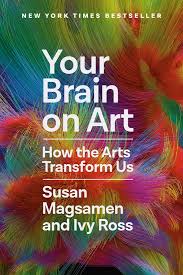
Do arts interventions and creative engagement really make a difference in our lives and our brains? Recently, Susan Magsamen, the author of Your Brain on Art: How the Arts Transform Us, and Director of The International Arts and Mind Lab at John Hopkins University School of Medicine, was interviewed to discuss this exact question.
Listen via
This episode of When Science Finds a Way explores the science behind the arts as a tool for wellbeing, from research on singing to lived stories of healing and empowerment. In 40 minutes, we hear from leading scholar Daisy Fancourt, from a mother who participated in Breathe Melodies for Mums, and from the ever-inspiring artist Kunle Adewale.
Listen via
In deze documentaire vertellen zorgprofessionals, makers, onderzoekers en organisaties hoe kunst in de praktijk bijdraagt aan gezondheid en welzijn. De film laat zien hoe Arts in Health op lokaal niveau verbinding brengt tussen zorg, welzijn en cultuur.
Meer dan dertig jaar internationaal onderzoek laat zien dat kunst bijdraagt aan positieve gezondheid en welzijn. Het werkt preventief tegen ziektes en versterkt de sociale kwaliteit van leven.
Meer informatie vind je op: De kracht van Arts in Health

This short and informative video from the UK discusses several arts in health projects, and research about the relationship between singing and mental wellbeing. The video features the experience of people with Parkinson’s disease who are part of a project that brings them on museum visits. The video includes clips from a music and movement workshop for people with Parkinson’s. We see them singing and dancing, and exploring what they can do rather than what illness prevents them from doing.
In this TEDx talk, Jill Sonke explores the relationship between creativity and care. As a practitioner, and current Director of the Center for Arts in Medicine at the University of Florida, Sonke brings nearly three decades of experience to describing the impact of artistic expression on wellbeing. Using many engaging examples, she masterfully lays out the case for the introduction of the arts in healthcare. Dancing, live-music, and powerful anecdotes are followed up by a straightforward summary of the evidence for arts in health.
This BBC News report interviews a patient at the Bethlem Royal Hospital psychiatric institution, about the art collection made by patients. The interviewee explores how drawing helps the patient to express themselves, and even points the way toward the end of treatment. "What arts does is give somebody free reign just to go into themselves and say this is what's like for me".
The Bethlem Royal Hospital continues to use art-making activities and hosts its own art gallery now too. The art gallery connects professional artists with patients and patients with art.
One critique of arts in health research is that study sample sizes are too small, and so cannot represent a broader population. In this video, Daisy Fancourt, a leading scholar in the field, discusses her large-scale quantitative study of a range of effects of arts engagement on wellbeing. Her team’s longitudinal analysis of national data showed improved mental, physical and cognitive outcomes.